Krakow
March 2018
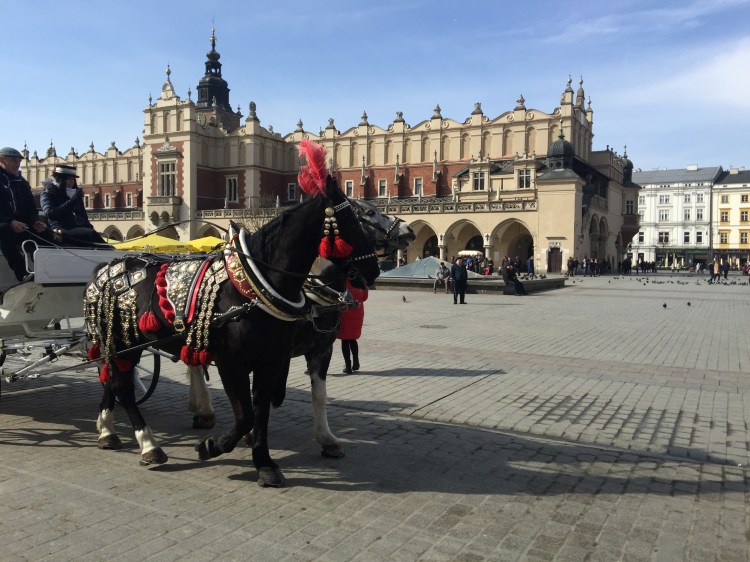
I visited Krakow, Poland in March 2018. Being a Southern Polish city, on the Czech Republic border, it was COLD. If you go prepared however, this isn’t a problem at all. It didn’t snow whilst we were there (unfortunately) but there was a lot of snow still left on the ground in areas. Pretty similar to the UK, I would base what time you visit on your personal preference if you’re unsure when is best. As with any city break, the city itself is a good place to see in all seasons. If however you prefer the warm, I’d stick to the summer months as you spend 80% of the time outdoors here!
The city itself isn’t overly large, I would recommend spending approximately 2 or 3 nights here, making it a 3 or 4 day trip. If you stayed for any longer, I can expect you would be slightly lost for things to do if you go off a traditional “city break,” (aka jam packed) schedule. The itinerary I followed for a 2 night, 3 day trip included:
- Day 1 – Arrive AM
- Explore city & areas surrounding your accommodation
- Dinner & Drinks
- Day 2 – Auschwitz and Birkenau Tour
- Dinner in the city
- Day 3 – City Sights Exploring
- Begin journey home – PM
Arriving into the city
When you arrive, it is easy enough to just hop on a train into the city centre. This way you don’t have to worry about pre-booking transfers in advance. I like to do things the cheapest (and non-laziest!) way, so if like me you can then walk from the train station to your accommodation (if centrally based). If not however, there are multiple bus/taxi options to either take you the whole way, or from the station to your hotel. The airport is 17km outside of the city, so it is not a long transfer at all.
As with any city break or short trip, my recommendation is to ALWAYS be careful on your flight times. Although some flights may be cheaper than others, with short haul there are normally many options for different times so choose carefully. I always choose an early outbound flight time (around 7-8 AM). Although getting out of bed and getting to the airport at that time may put you off, it’s definitely worth it when you arrive and realise you’ve still got a full day to explore. Similarly with the flight home, I try to book one around 5-6 PM. This means you shouldn’t arrive home ridiculously late and still be able to get a full nights sleep, however your final day can still involve a complete day of activities. This also saves on extra nights spent on hotels. Of course these are desirable times, but not always practical, within the budget or possible with certain airlines/airports.
Top City Sights
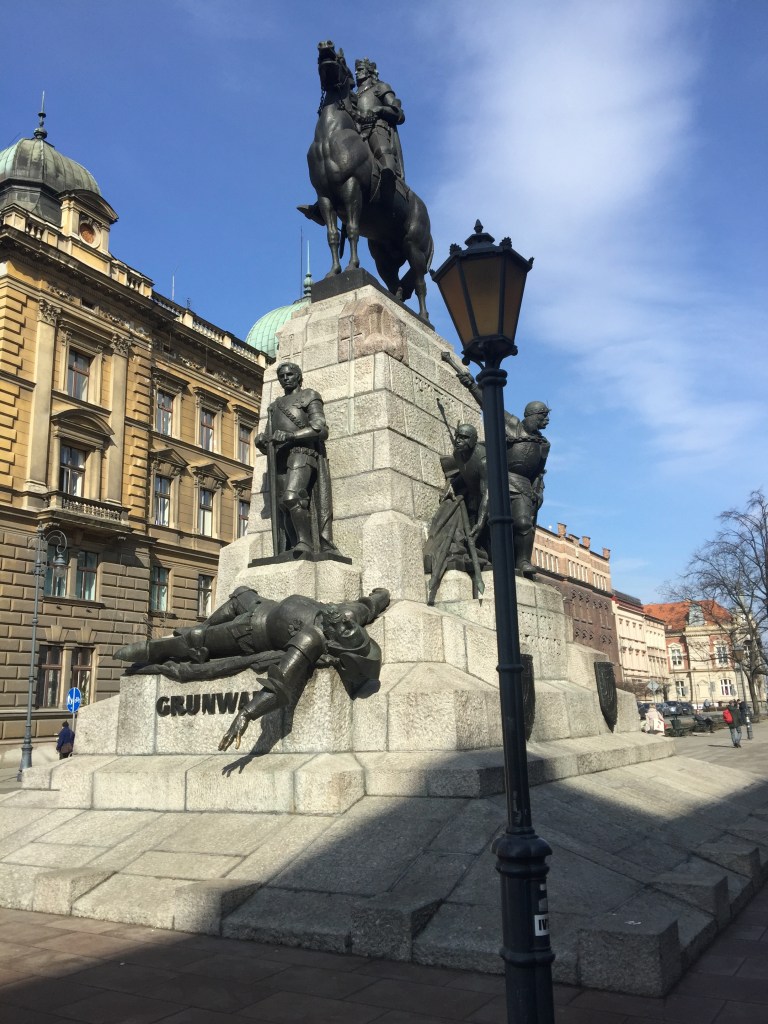
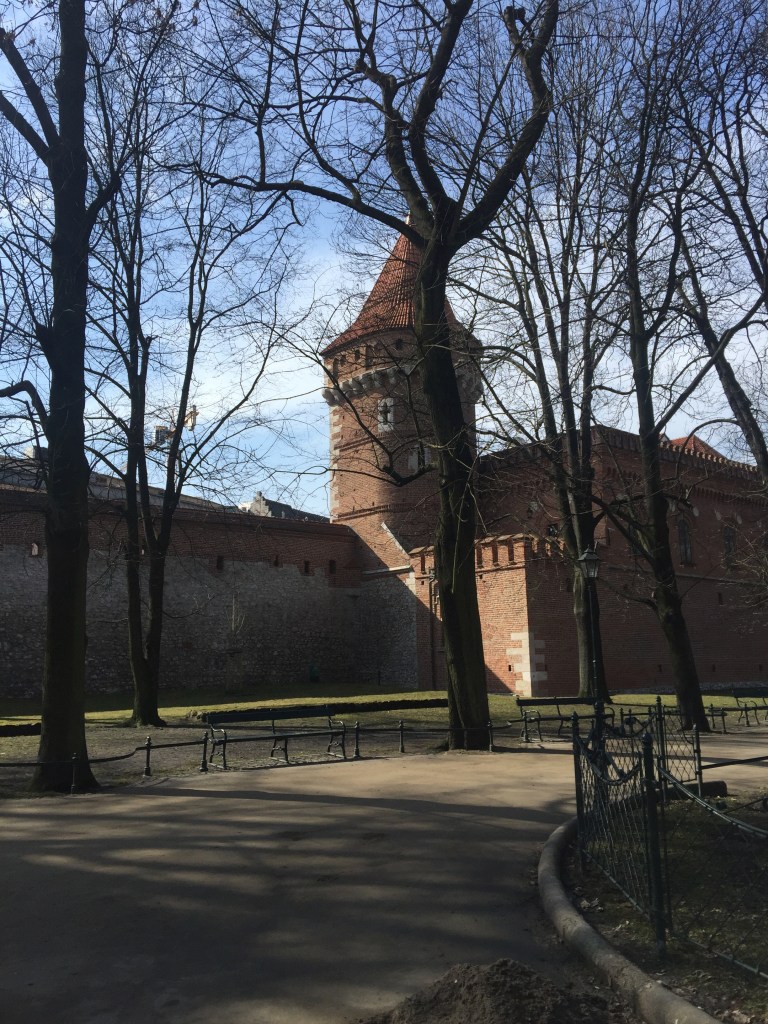
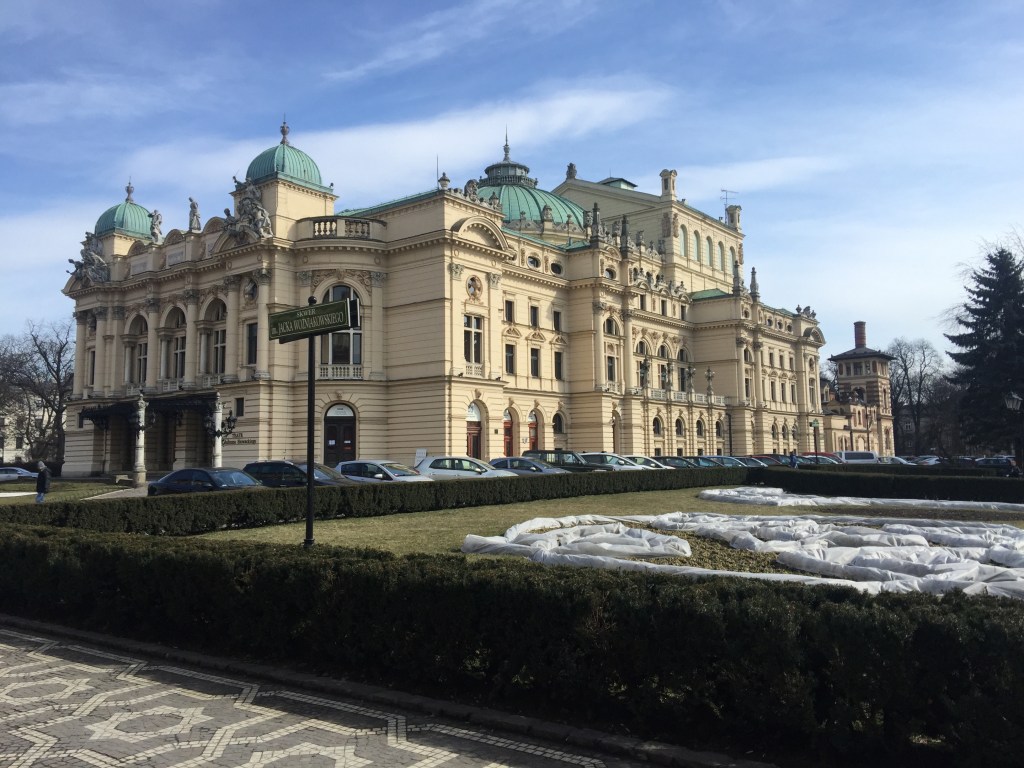
- Wawel Royal Castle
- Main Square
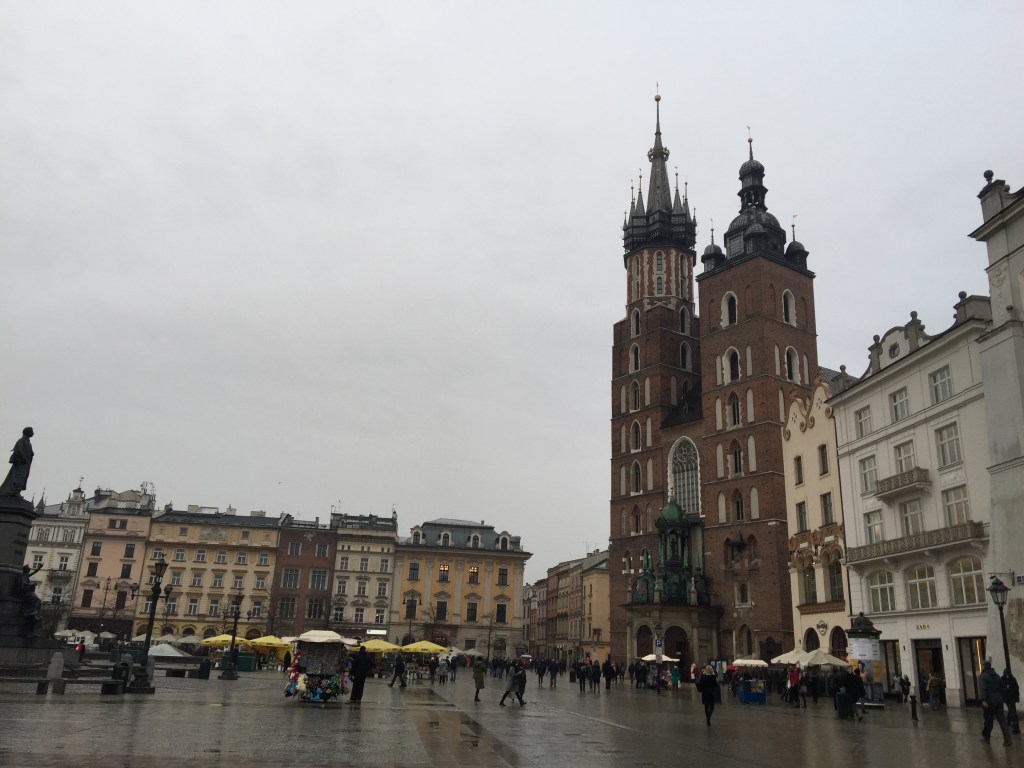
- St. Mary’s Basilica
- Wawel Cathedral
- Krakow Barbican
- St. Florian’s Gate
- Collegium Maius (Muzeum Uniwesytetu Jagiellonskiego Collogium Maius)
- Plus tonnes of other Museums!
Things we didn’t do but would have liked to
- Salt Mine
- Schindlers Factory
Main Square
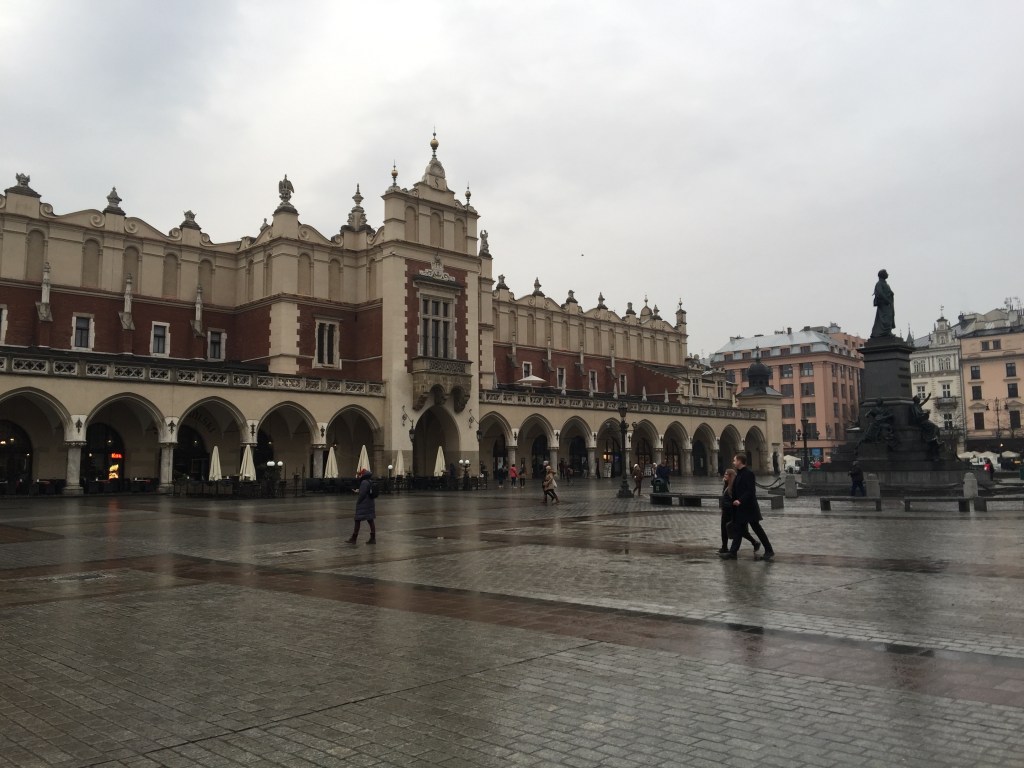
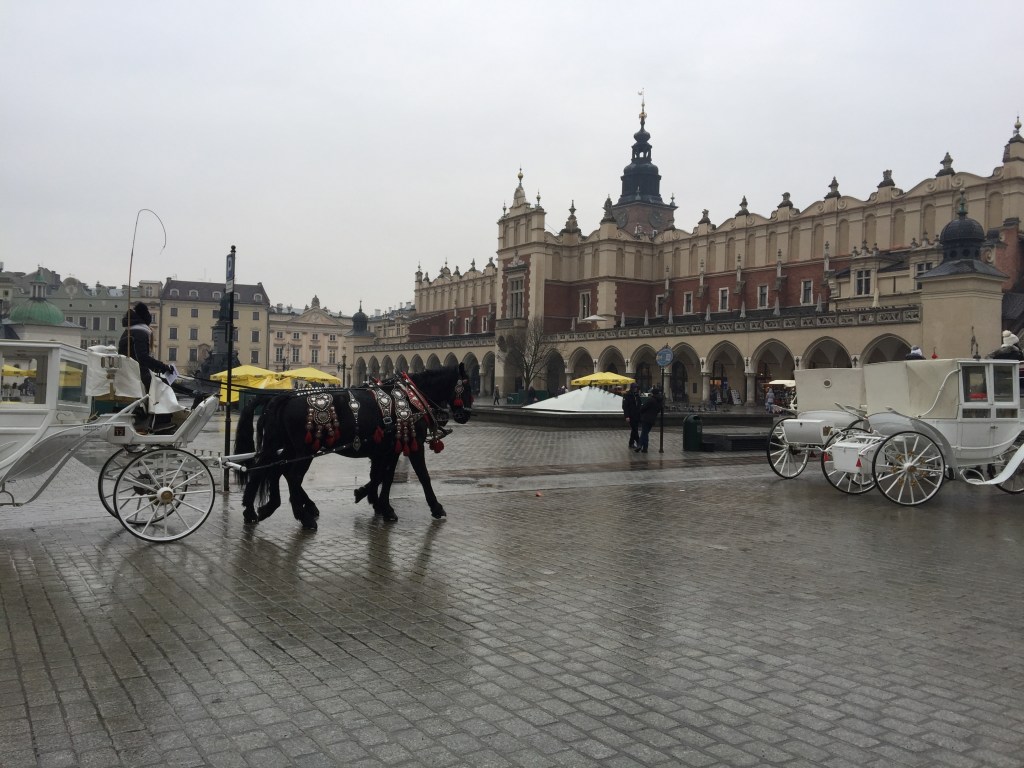
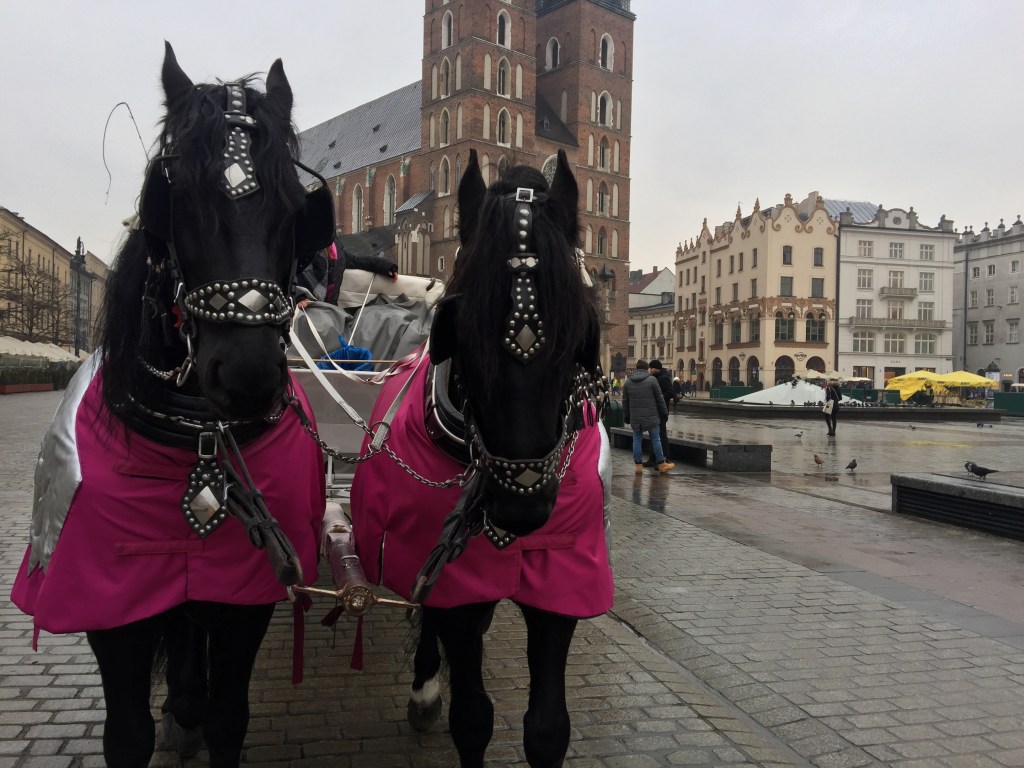
I would recommend staying just off the main square in Krakow’s old town. It is here you will find an array of shops, bars and restaurants. It is also a lovely vibe here during the day, and through into the night. You will find tonnes of horses lined up around the square equipped for carriage rides. Personally this is not something I like to encourage however it is extremely popular here! The majority of city sights are also within walking distance from here so it is a good place to base yourself.
Walking Tours
One thing that is very popular in Krakow are the walking tours. These are free and there are tonnes to choose from, at lots of different times of day too. We were given a leaflet during check-in to our accommodation, so ask at reception for where is best to look for these depending on your time of visit, everyone we came across was super helpful!
Auschwitz & Birkenau
The main reason we visited Krakow, and alike most (if not all) other tourists, was to see Auschwitz and Birkenau. I would advise booking a tour before you visit just in case they get fully booked up, but you can also book on arrival with local tour guides. It is around 1-2 hours outside of the city, therefore a tour is the easiest option as these also include pick up and drop off from the city centre. Although a hard hitting experience, I would definitely recommend visiting. If anything, just to educate yourself further on what went on here.
Auschwitz
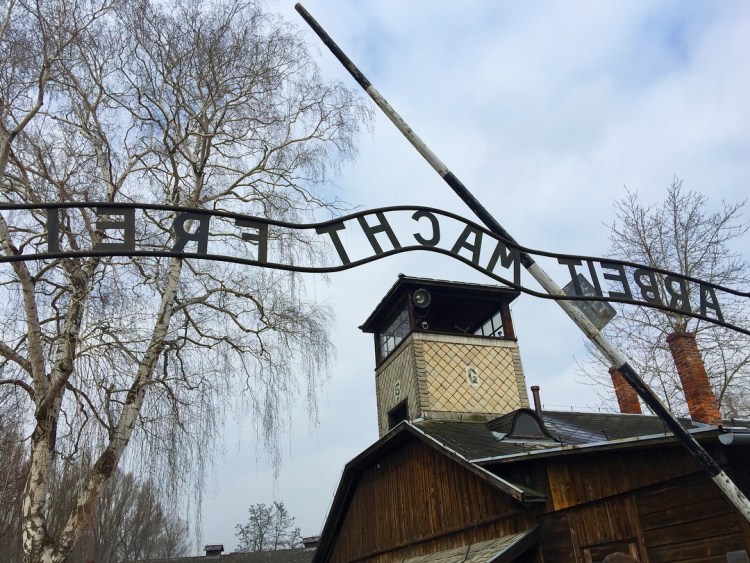
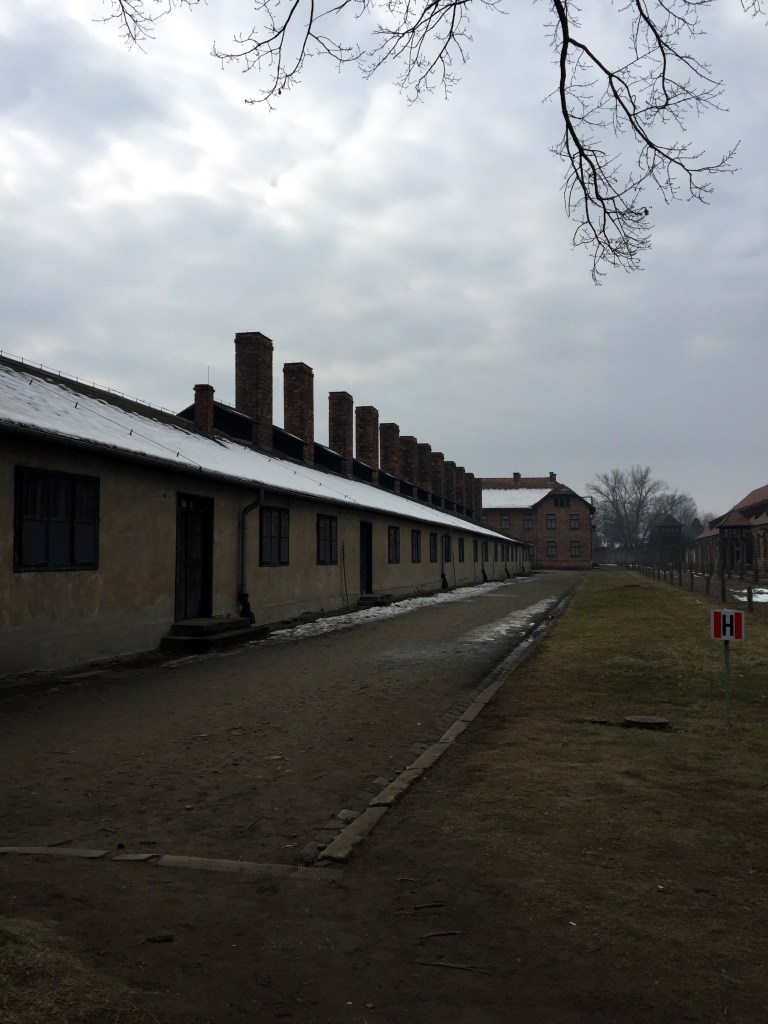
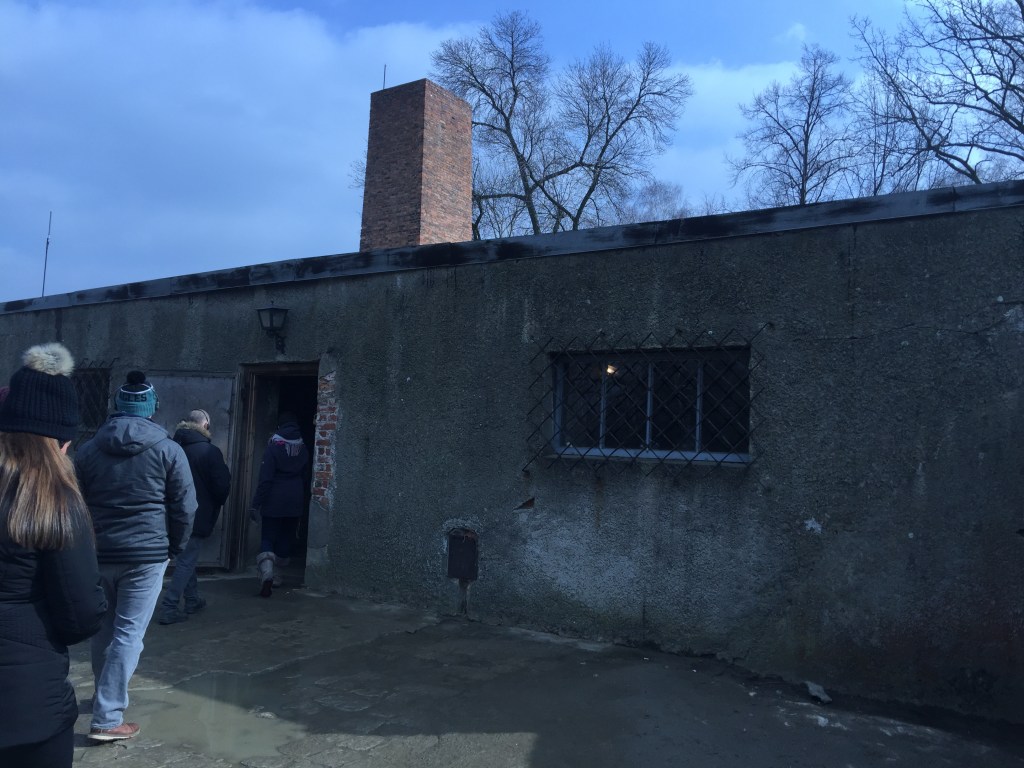
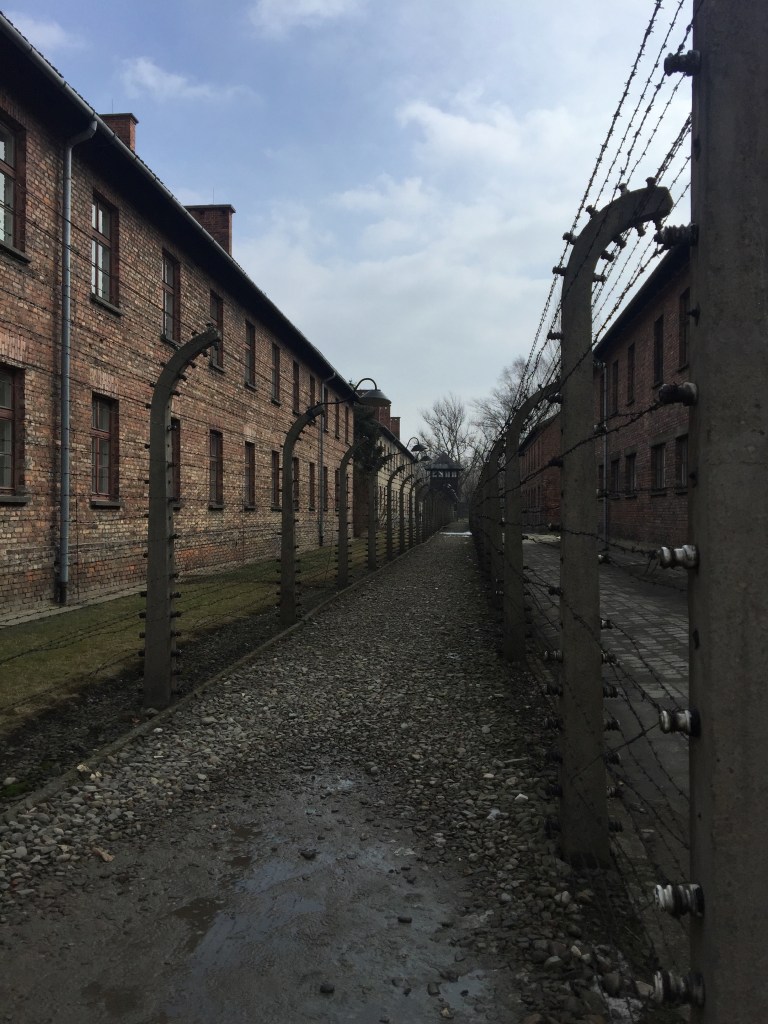
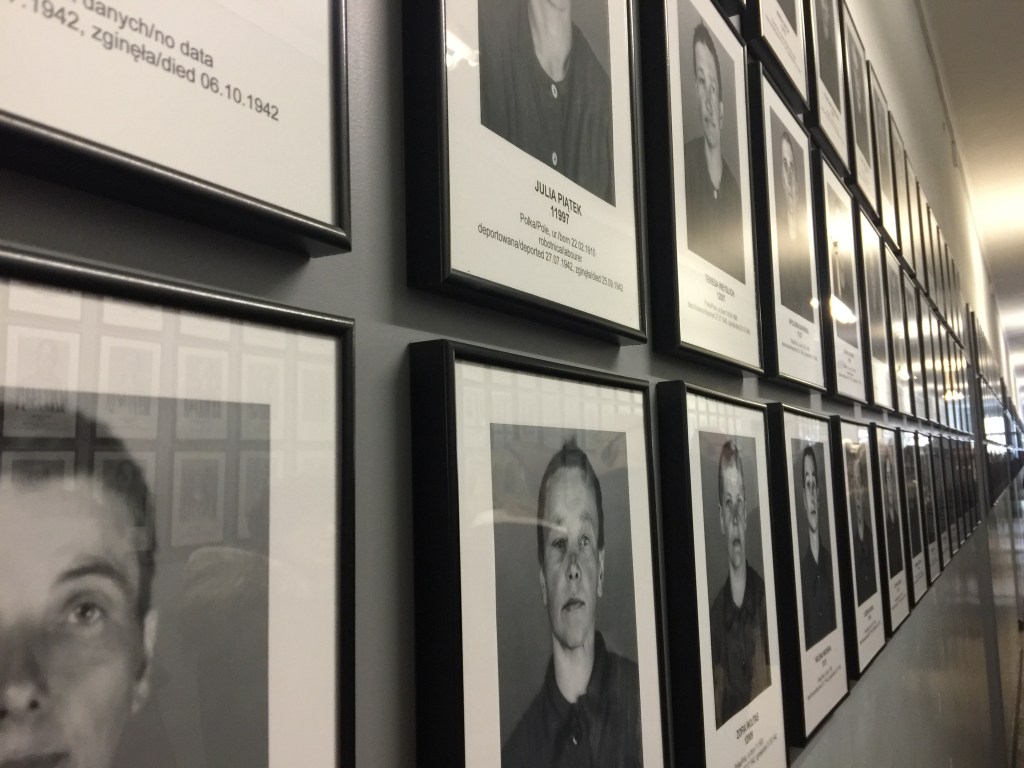
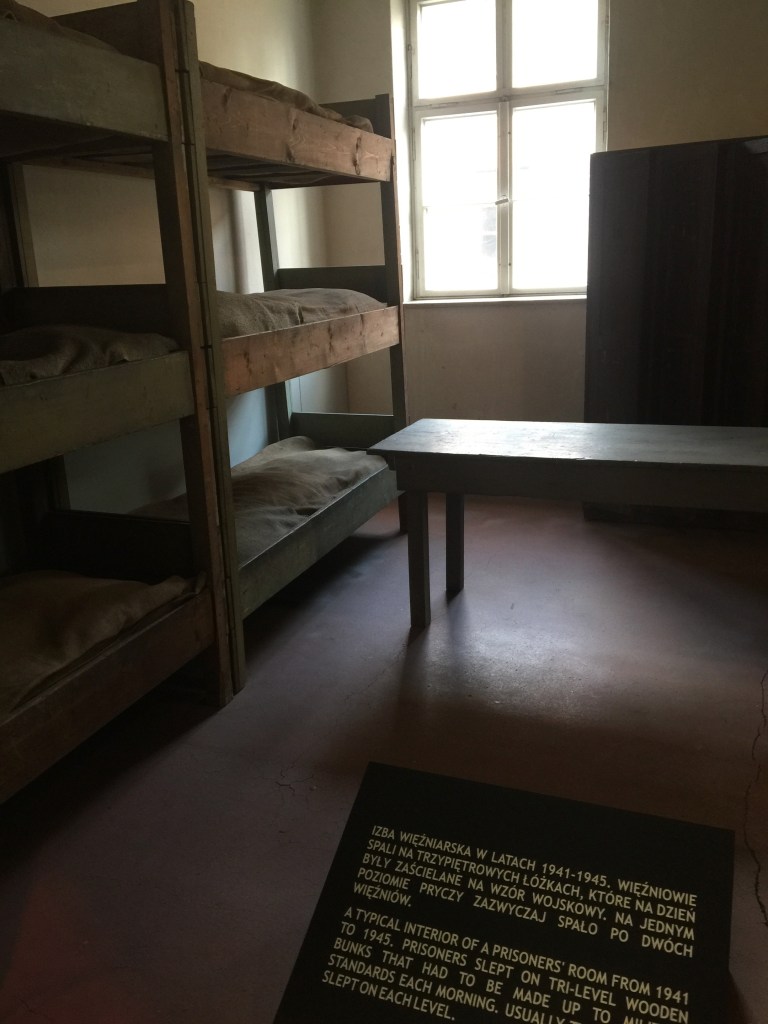
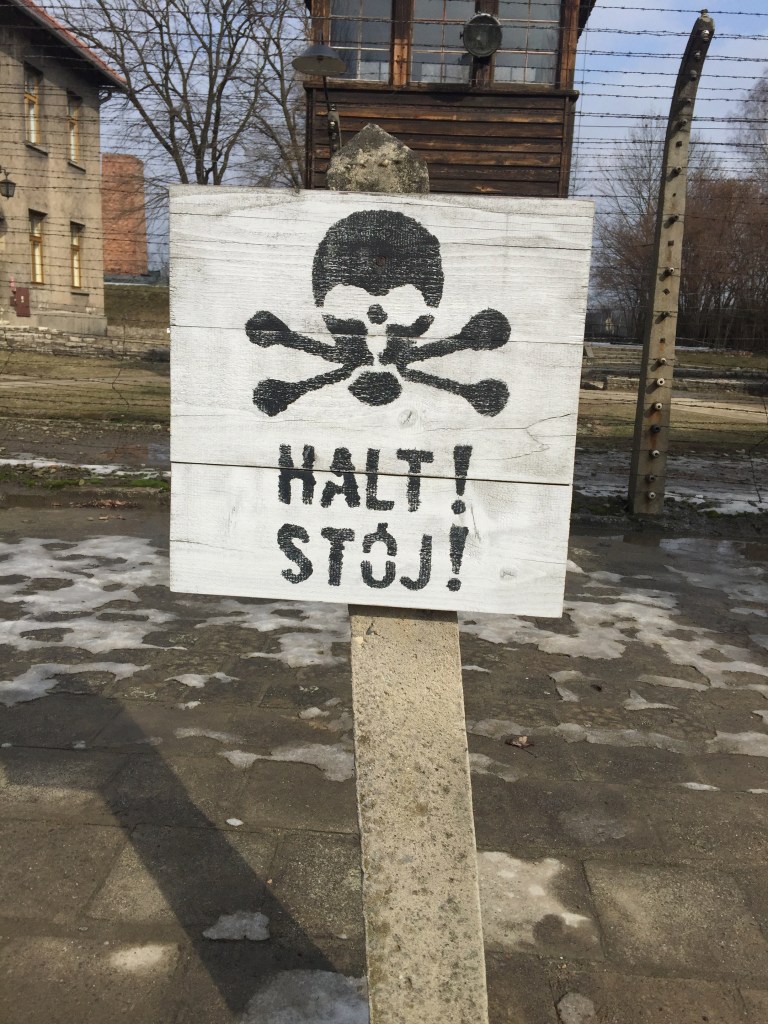
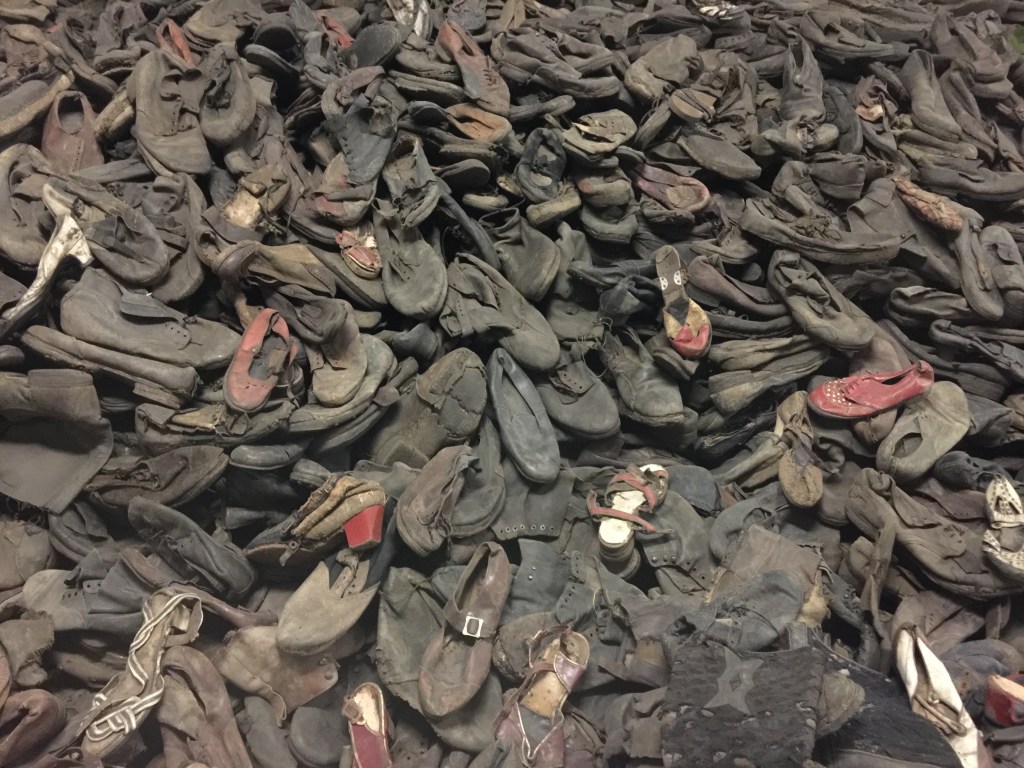
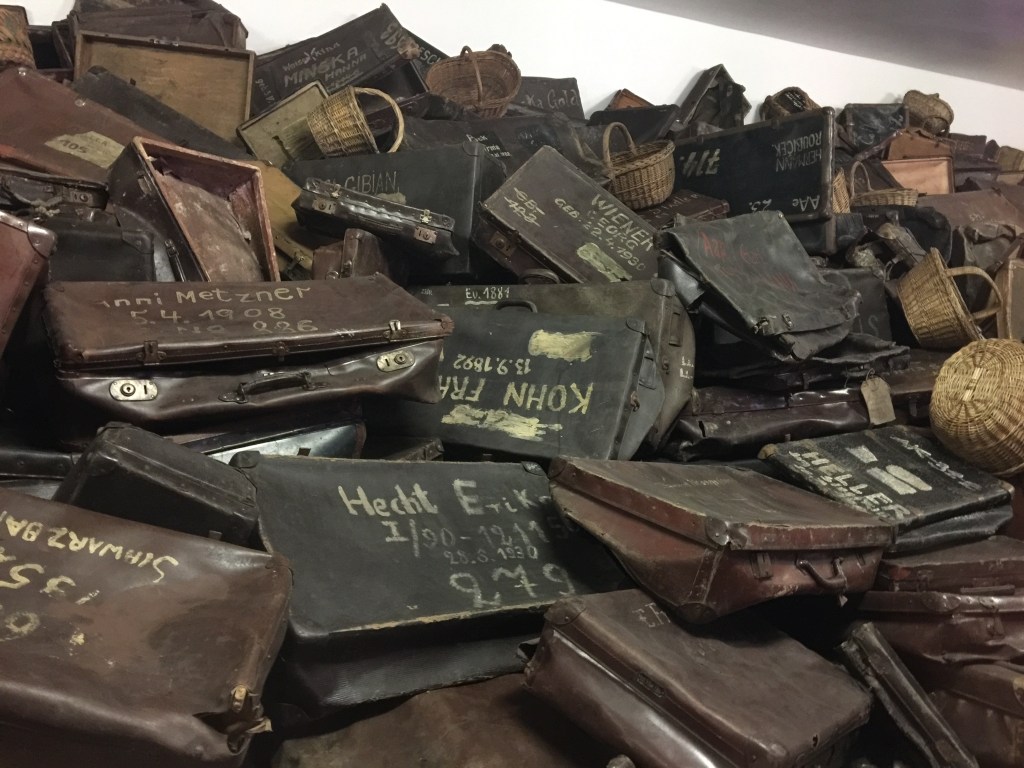
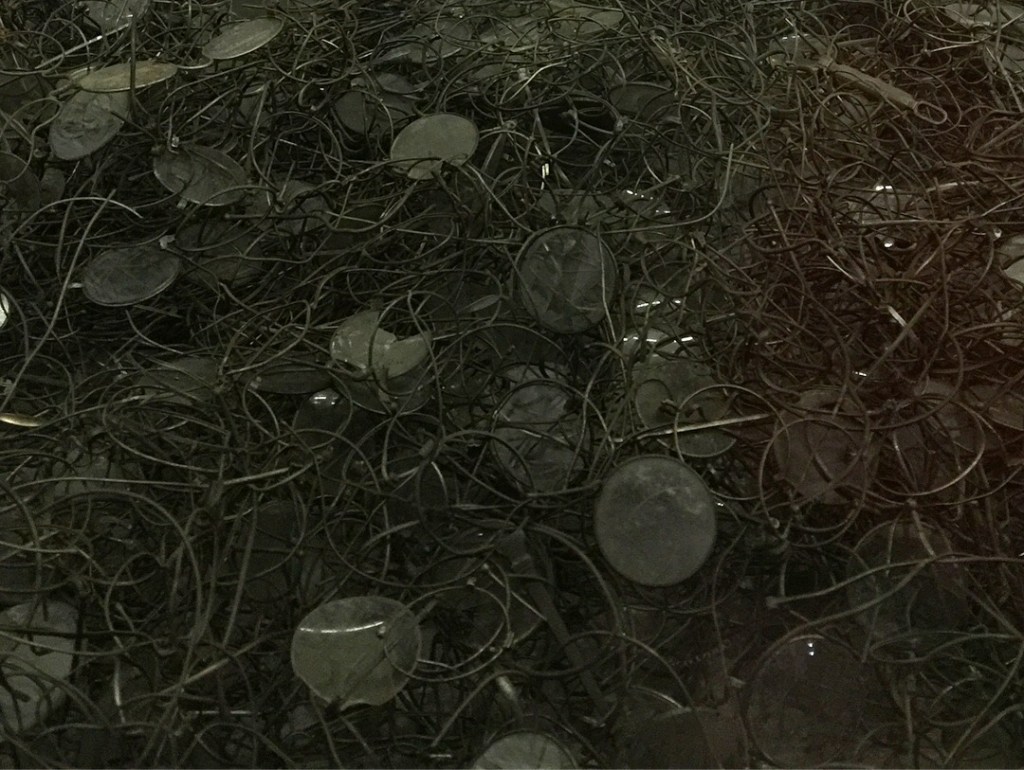
Auschwitz itself was a complex of over 40 concentration camps formed and ran by the Nazi’s during WW2 and the Holocaust. At least 1.1 million people lost their lives here. When you start the tour, you enter the gates under the famous “Arbeit Macht Frei” sign translating to “Work makes you free.” You are given an audio guide and taken through the main areas of the camp. Auschwitz itself was a lot smaller than expected, which in a way made it even more horrific. Knowing that small area was filled with so many people just enhances how awful it already was. It is in Auschwitz where the main “museum” components are. Here, you see exhibits of leftover suitcases, glasses, hair and thousands of personal belongings from the prisoners. You see inside the cells, gas chambers, crematoriums and multiple execution sites.
Birkenau
The biggest of the Auschwitz facilities, Birkenau could hold around 90,000 prisoners and was being increasingly developed right up until liberation. The majority of Auschwitz victims died at Birkenau. This is where you will find the most commonly seen photograph of the train tracks entering under the huge brick gate. Birkenau is a lot more vast and surrounded by trees and just, “emptiness” was the only word I could find to describe it. Here you could see the train track “drop-off point,” multiple gas chambers and crematoriums, segregated huts in which the prisoners lived and so much more. Here, the camp went on and on into the distance for as long as the eye could see.
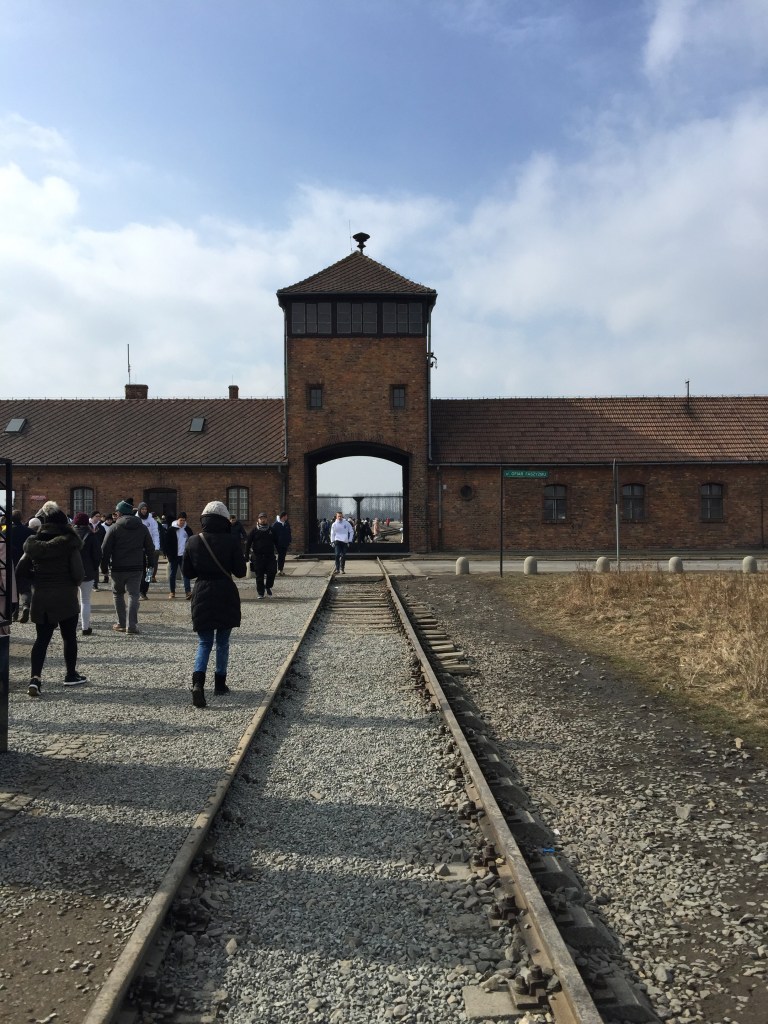
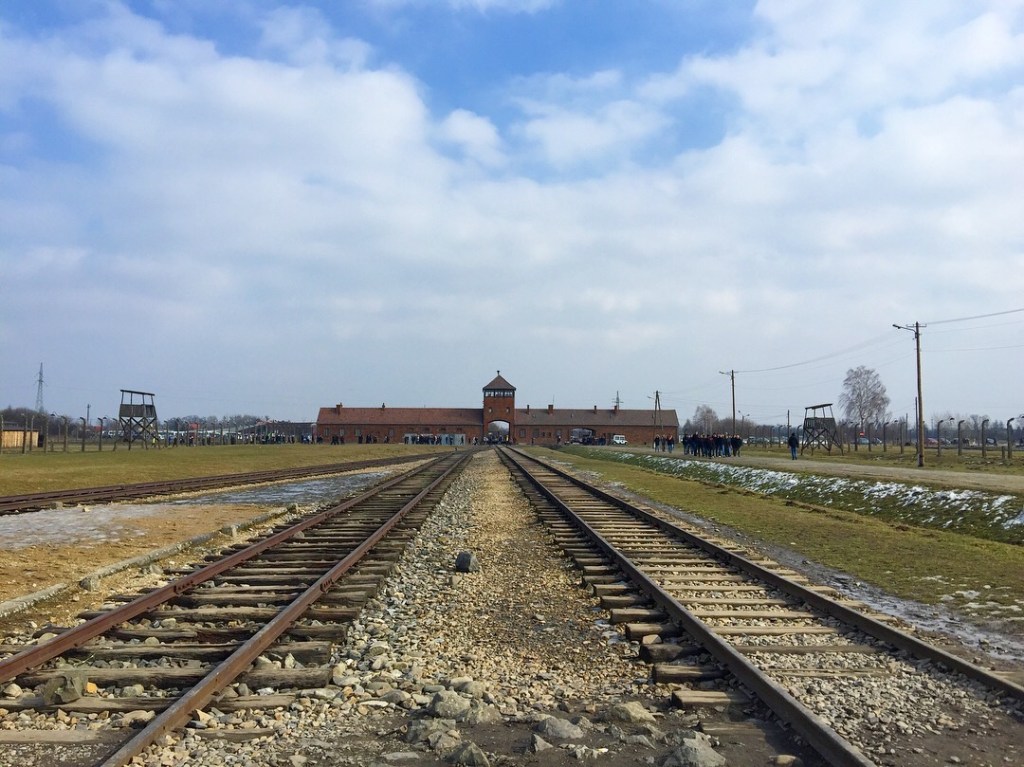
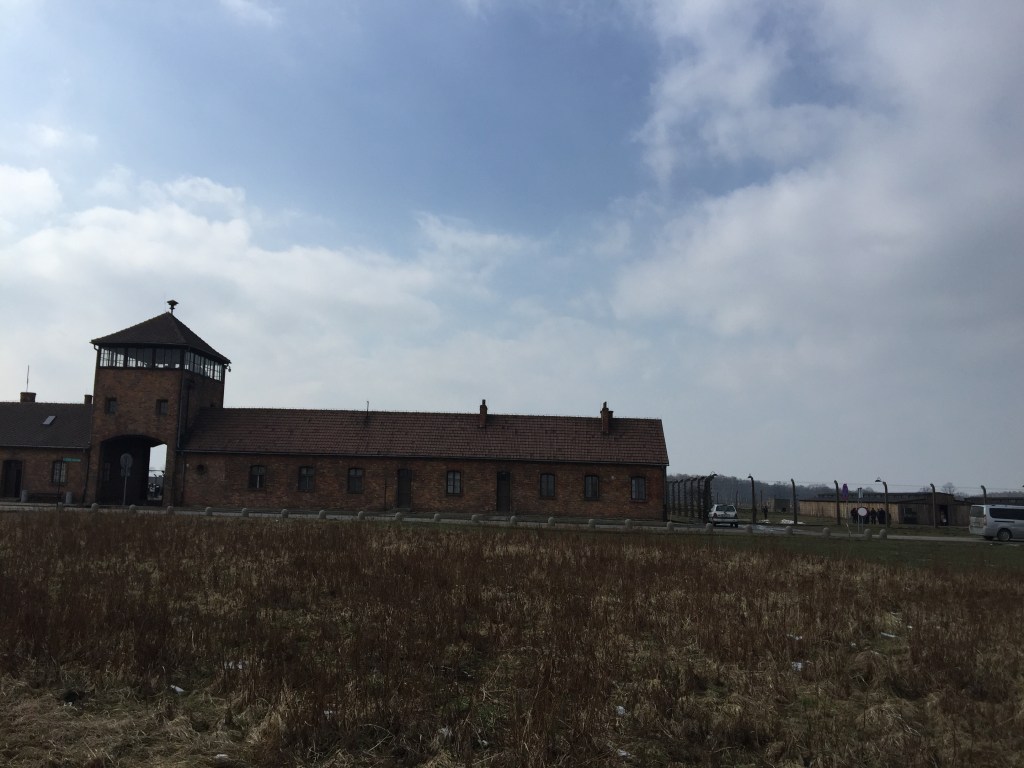
One of the things that stuck in my mind whilst walking around the camps was the cold. It was freezing on the day we were there, yet we were tucked up in winter coats, hats and gloves. The prisoners were out working and living in such conditions (and much worse during the peak winter) with little to no warmth at all. You can’t even begin to imagine what it must have been like.
Book Recommendation
I have recently finished reading “The Tattooist of Auschwitz” (2018) which is an amazing book written by Heather Morris, based off the true story of Lale Sokolovz, who spent his days in Auschwitz-Birkenau tattooing the arms of his fellow prisoners. Overall a brilliant read and interesting, previously undiscovered insight into what went on behind the gates of Auschwitz-Birkenau.
 Wild Rose Travel