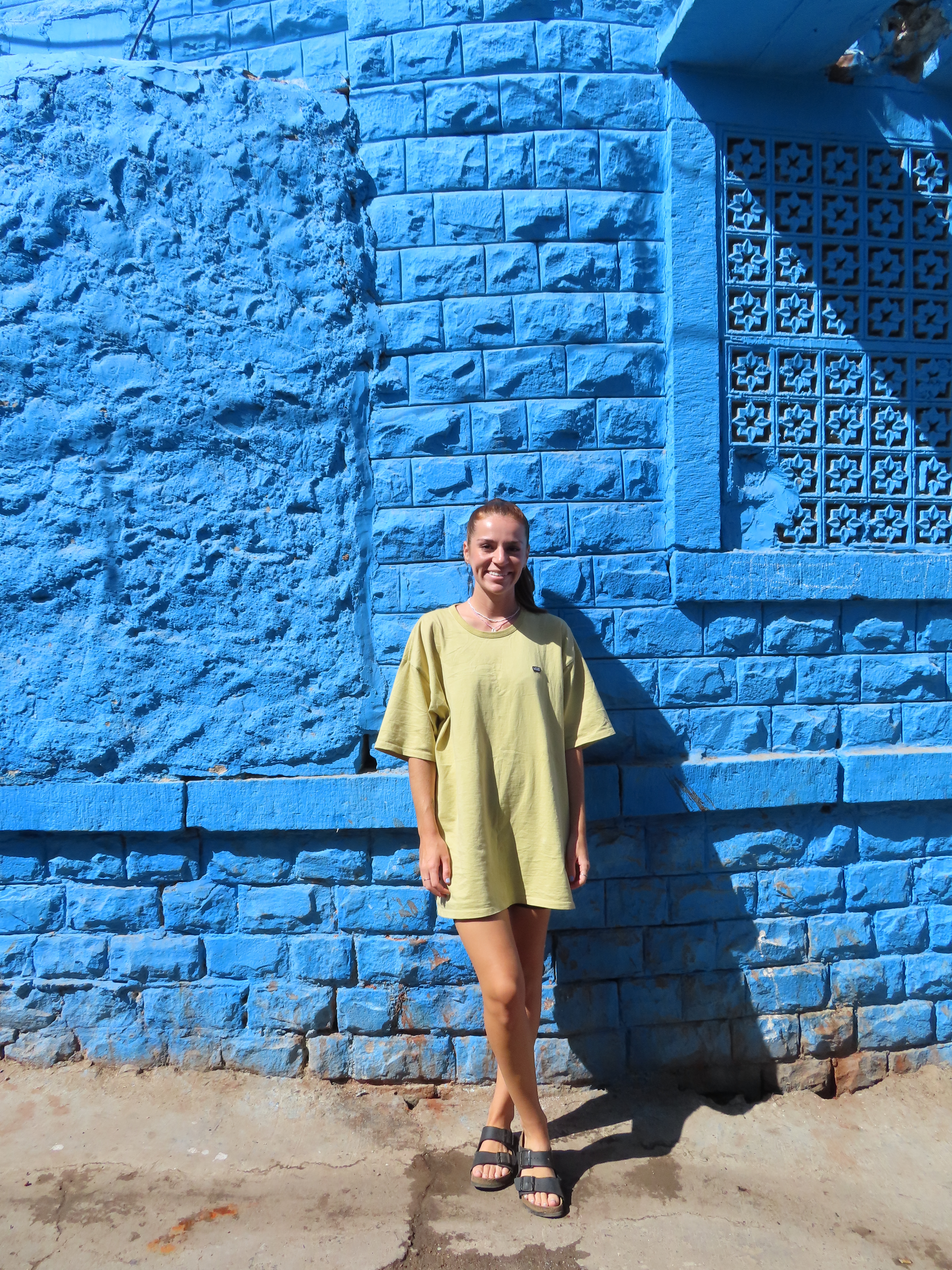
A dream of mine has forever been to visit Africa and go on safari. Little did I know one day I would live and work amongst it all. During September/October 2018, I took a trip to South Africa to work on a conservation project in Kwa-Zulu Natal. Umphafa is a private nature reserve based in KZN, owned and supported by Colchester Zoo, UK. Colchester Zoo is my “local” zoo and I have been countless times growing up. It has been amazing seeing how it has grown, so learning about the reserve in SA was something I wanted to be a part in even more, having links so close to home.
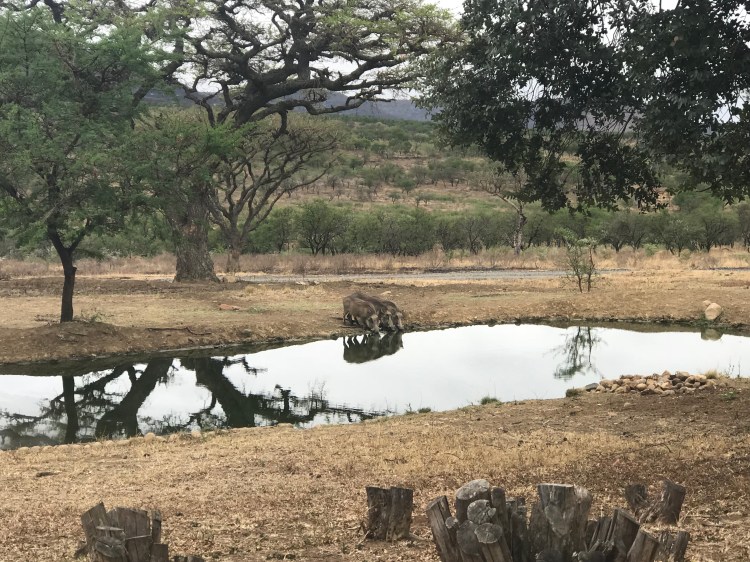
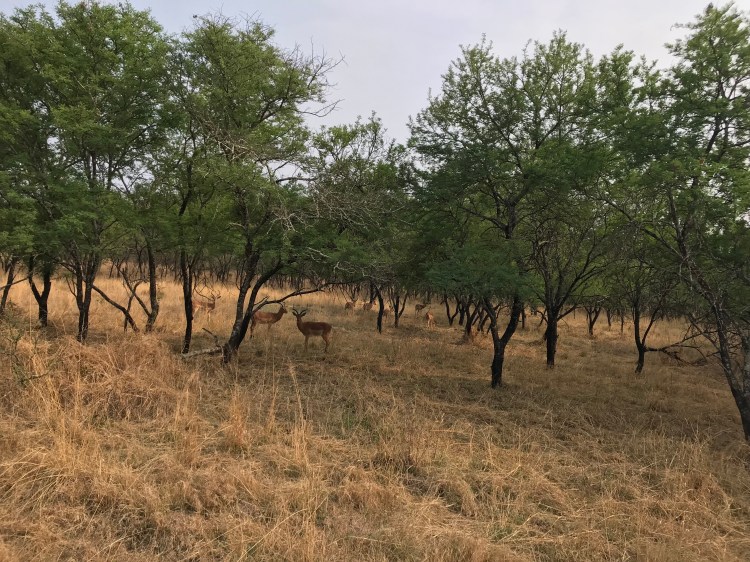
The reserve itself is a 6,000 hectare reserve comprised of old cattle farms. Due to this previous use the reserve had lost a lot of natural species, and although many populations did thrive, a lot more species have since been released. The reserve now inhabits giraffe, kudu, impala, reedbuck, waterbuck, wildebeest, warthog, porcupine, aardvark, zebra, leopard, hyena and many more.
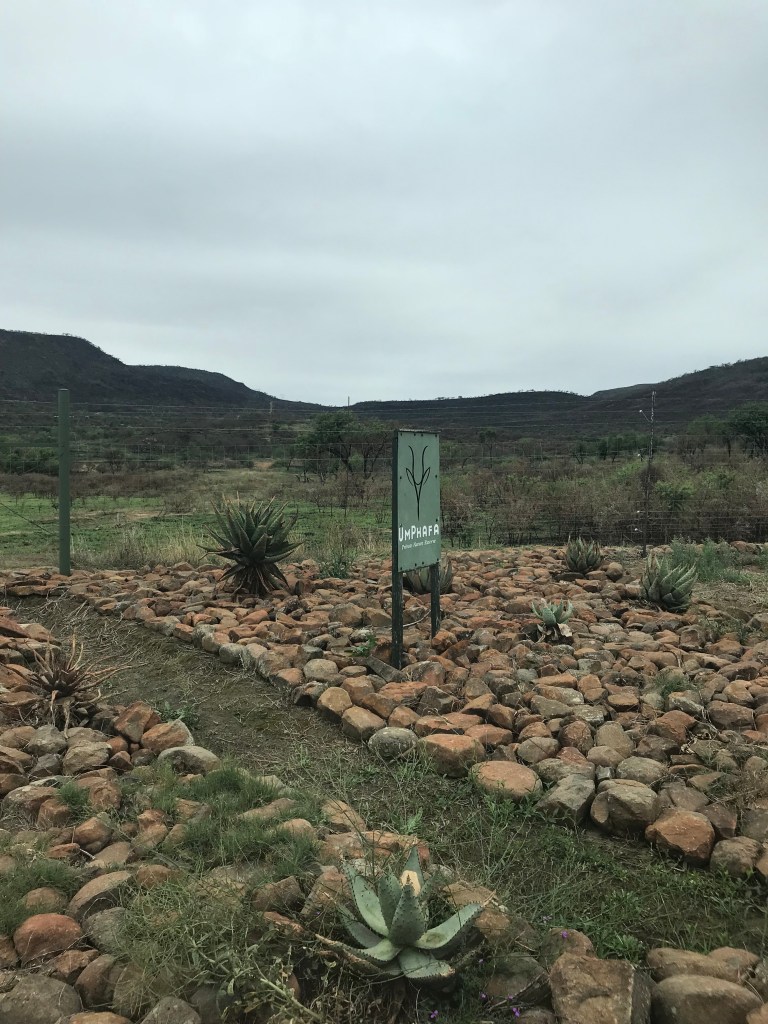
Main goal of UmPhafa: “to rehabilitate the habitat of UmPhafa as an example of the regions previous natural condition through the management of indigenous flora and fauna in order to achieve a model of sustainable conservation for the development and promotion of environmental education.“
You can visit the website and find out more here:
https://www.umphafa.com/
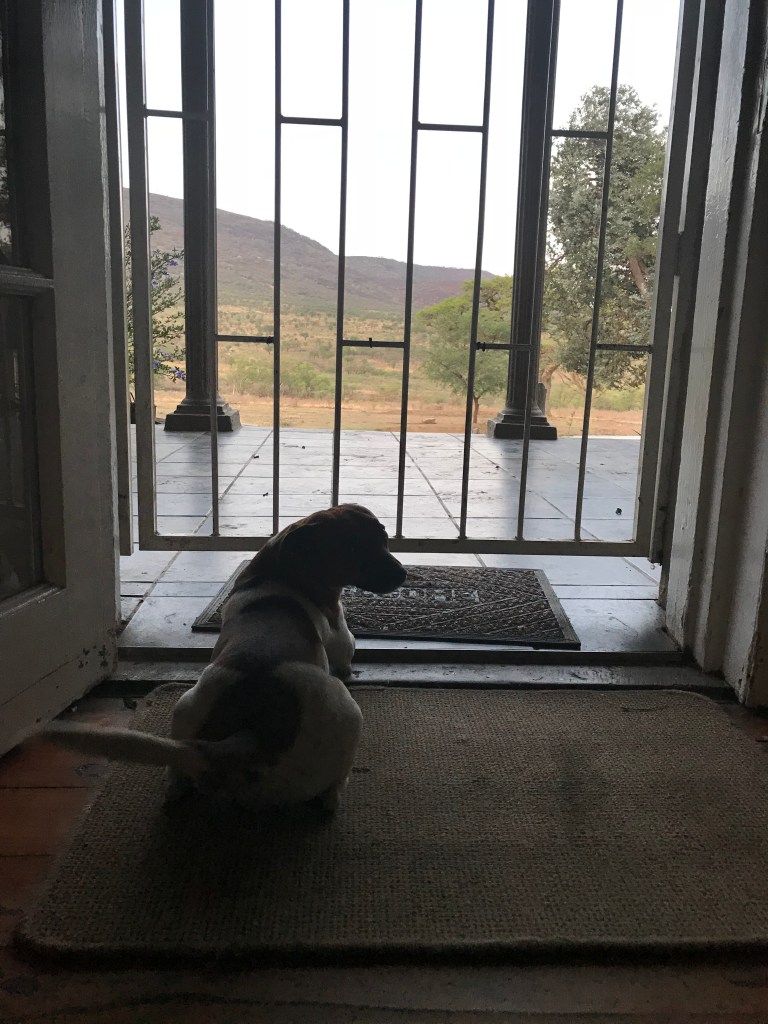
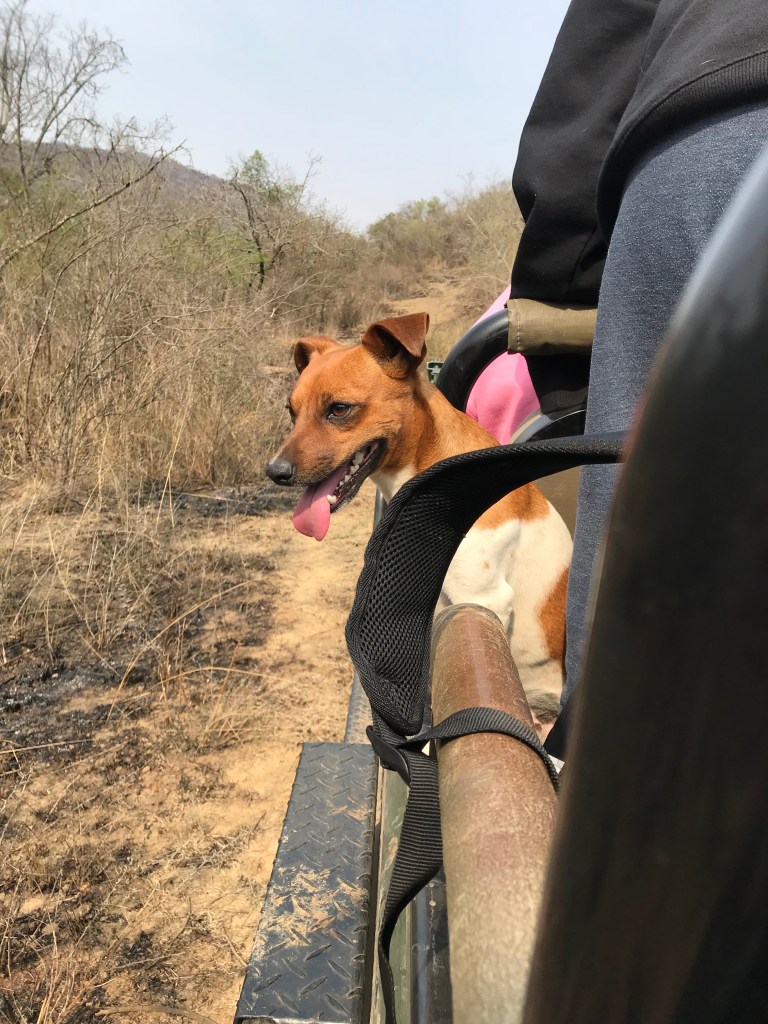
Based on the primary goals of UmPhafa (conservation, research and education), a lot of the work carried out on the project follows a unique structure. No one else is allowed onto the reserve except from staff and interns, making it a very intimate environment. Day to day, management of the land and transitioning it back to a natural, thriving reserve is heavily concentrated on. This involves a lot of erosion control, road repairs, vegetation surveys etc. As well as this, typical day to day duties involve; animal behavioural studies, feeding studies, game counts, camera trap surveys, bush walks, night drives, fence patrols and so on. The duties here are endless meaning no two days are the same and it is impossible to get fed up of the same task!
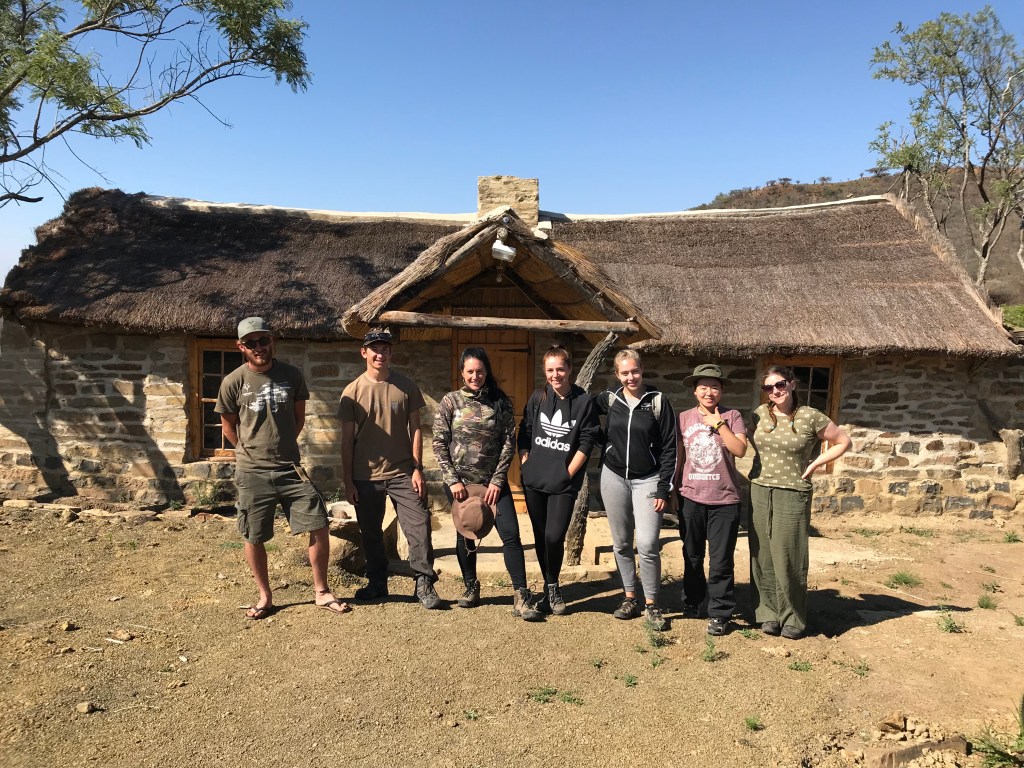
I completed a 2 week internship at the project, joined by just 5 other interns. We were a small group, making the whole experience even more up close and personal. This meant you really felt like you and the work you carried out were making a big impact. You could always get hands on with absolutely everything. UmPhafa only takes a limited number of interns at a time to ensure this experience is the same for everyone.
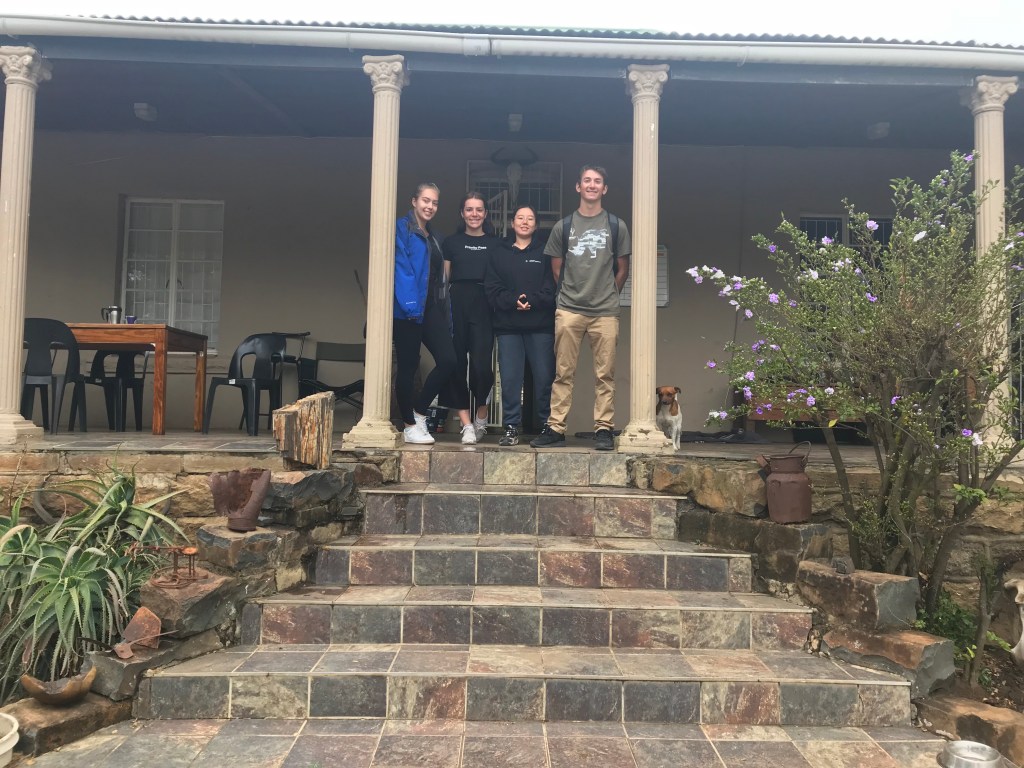
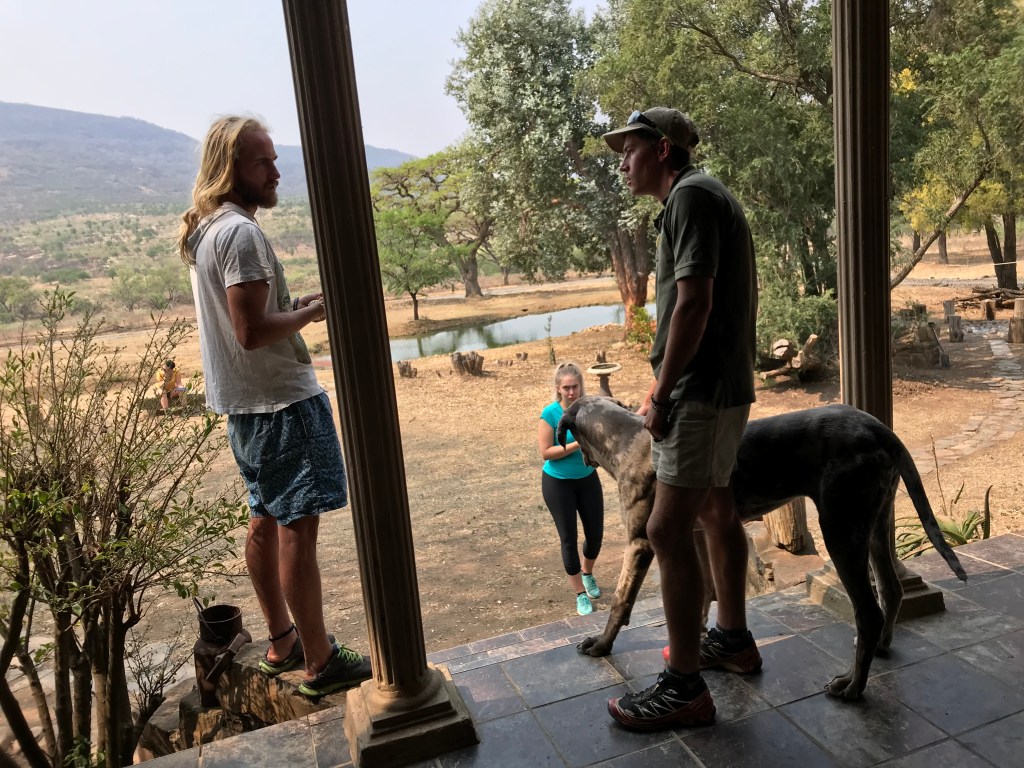
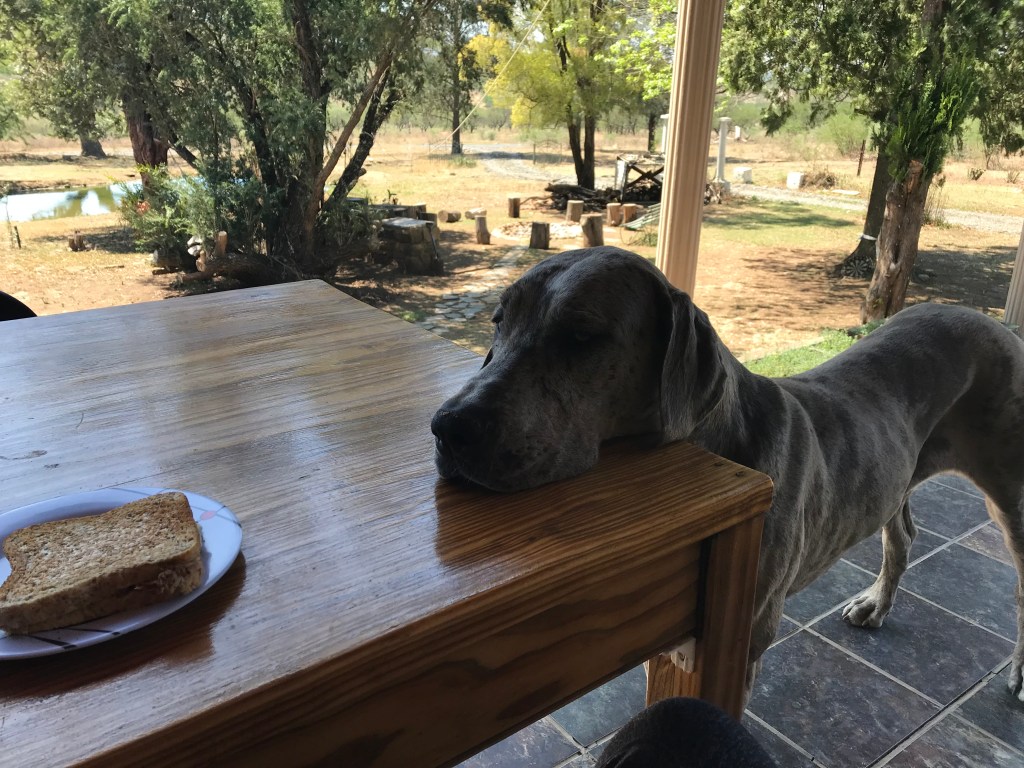
As previously mentioned, I went during the last 2 weeks of September/beginning of October, and the weather was amazing. It was the perfect split between hot sun, and slightly cooler days that were not too hot to work in. Despite this we had some days, averaging around 34 degrees. You can just imagine what it’s like out in the bush working in this under the African sun! Let alone in the peak summer season… no thank-you! We also saw some amazing thunderstorms, and on the clear nights the view of the stars and the whole galaxy was just amazing.
During the second week, we were on a night drive and stopped in one of the lower fields. The engine of the game vehicle was turned off, and we all just sat back in complete darkness to look at the stars. It was such a wholesome feeling of being completely at peace in the middle of “Africa.” It was amazing (minus the slight fear that there could be any kind of deadly animal right beside you and you’d have no idea.. it was worth the risk)!
Bush Fires
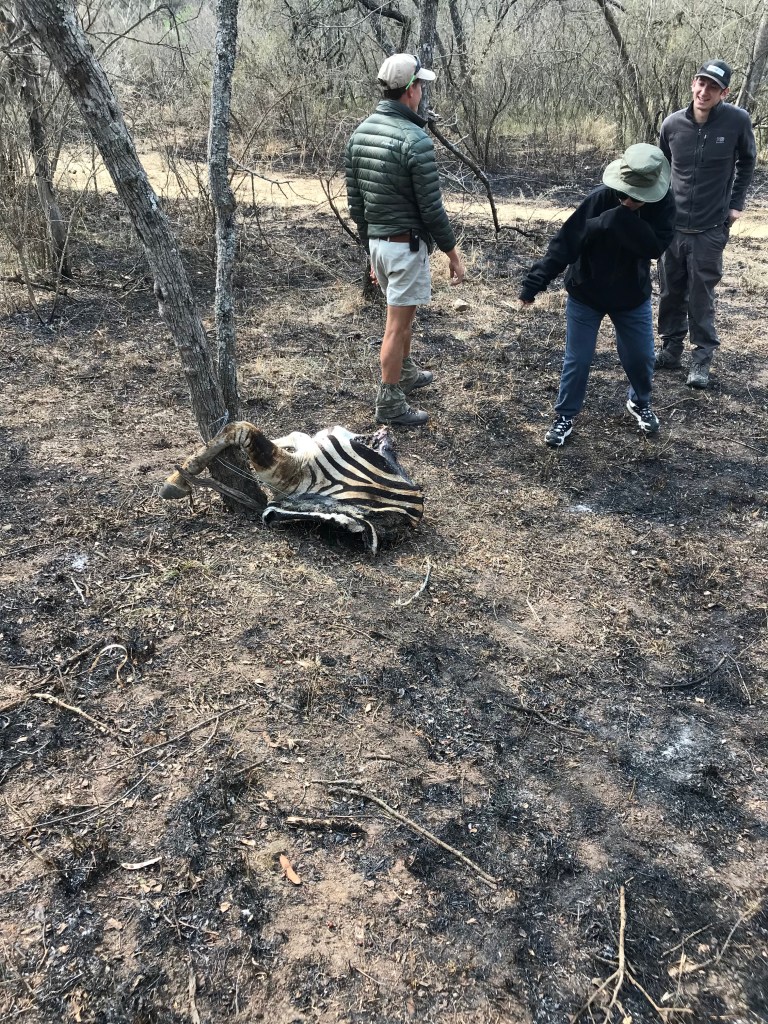
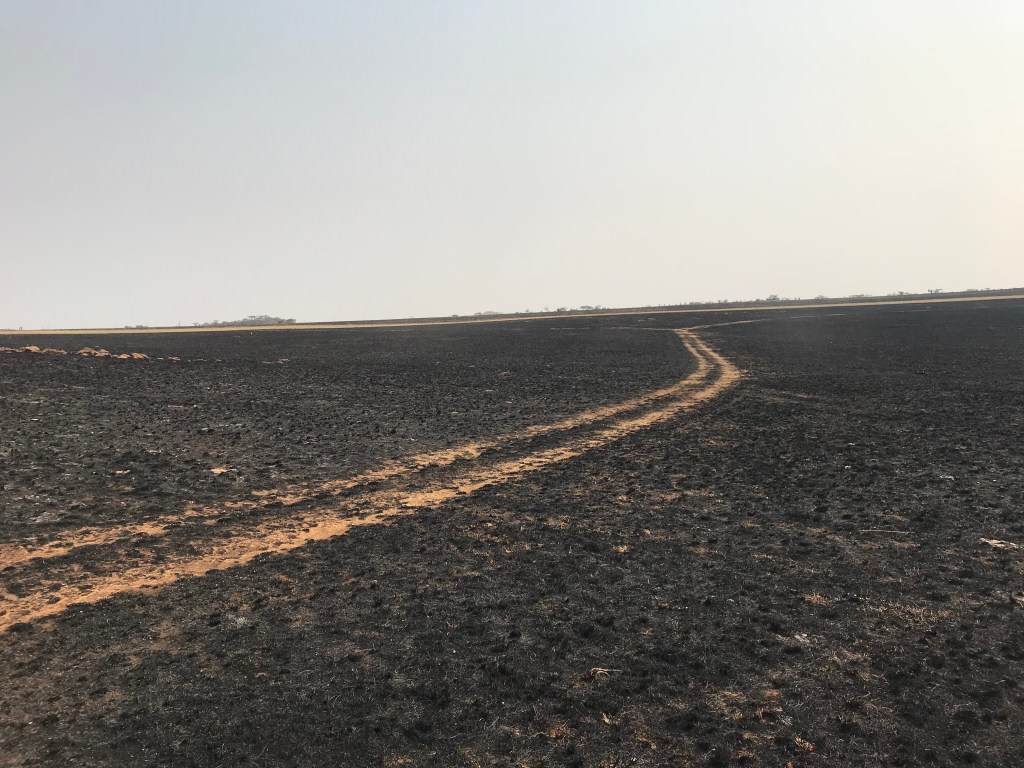
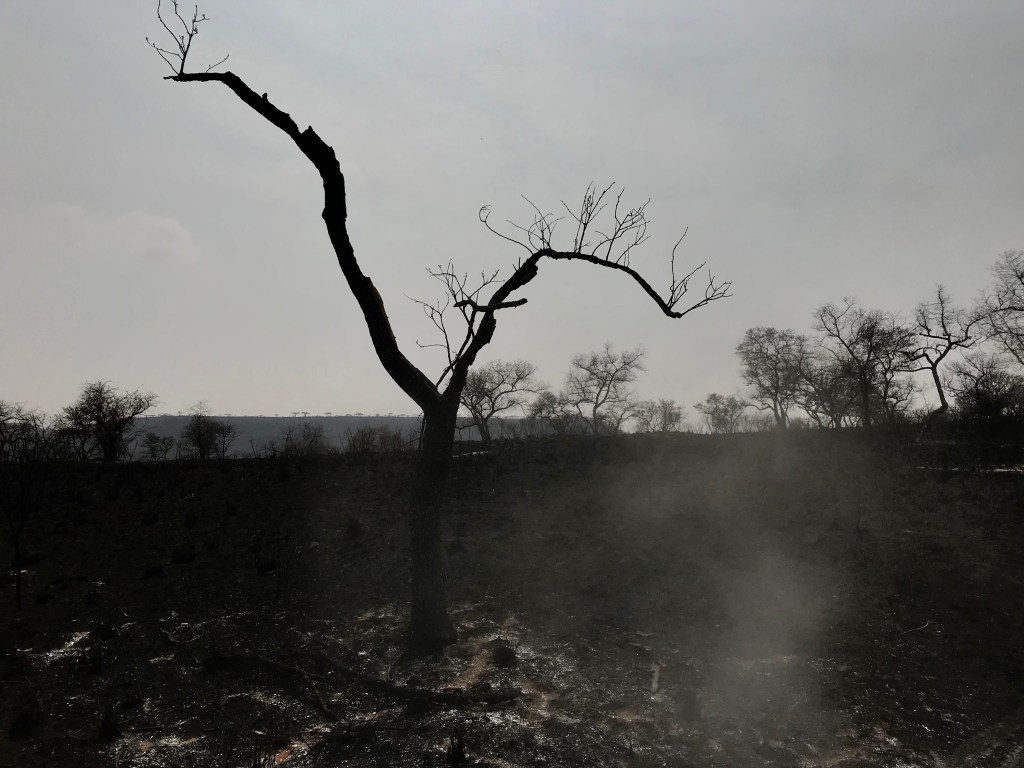
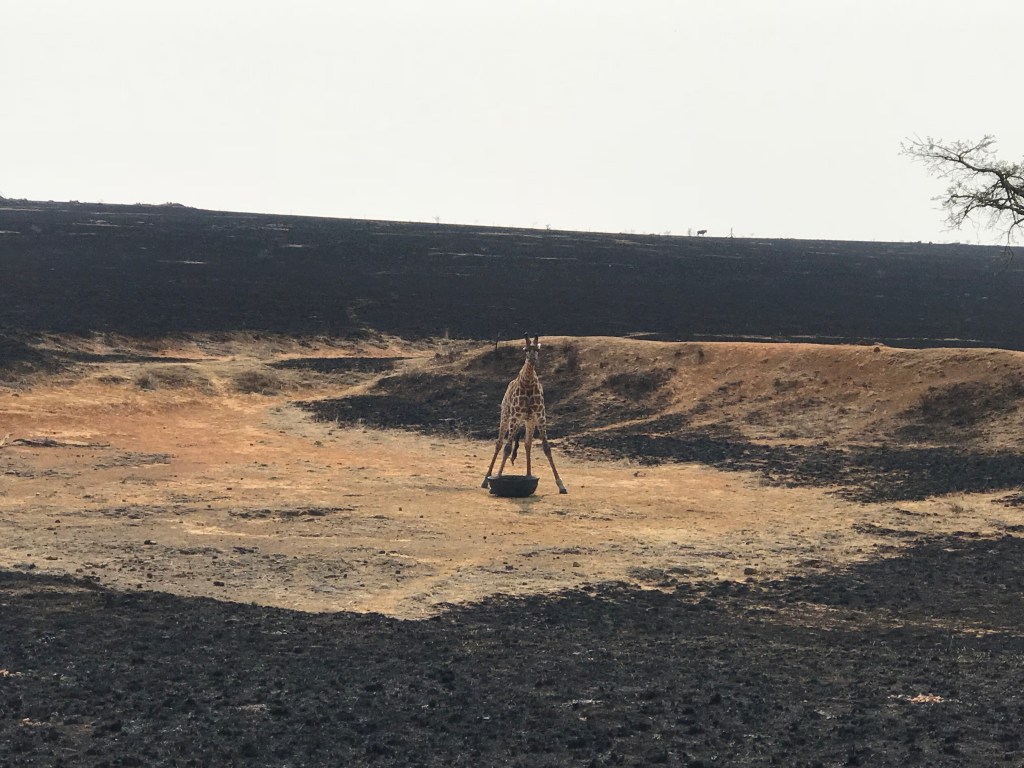
On the day we arrived onto the reserve, they had unfortunately suffered some huge bush fires. It was believed these were caused by poachers. The poachers would cut through an area of fence, cause a fire in a structured way so that animals would be forced to head towards a different fence line. They would then wait and trap them here to poach. Due to the season being extremely dry at this point, the fires got out of hand and a huge percentage of the reserve was lost. There are no words to explain how this looked! I remember just seeing the orange glow over the hills ahead when we arrived at the house, which went on deep into the night. However it did not take long at all (a matter of days) for the reserve to begin to regain life and grow again.
The Importance of Reflection
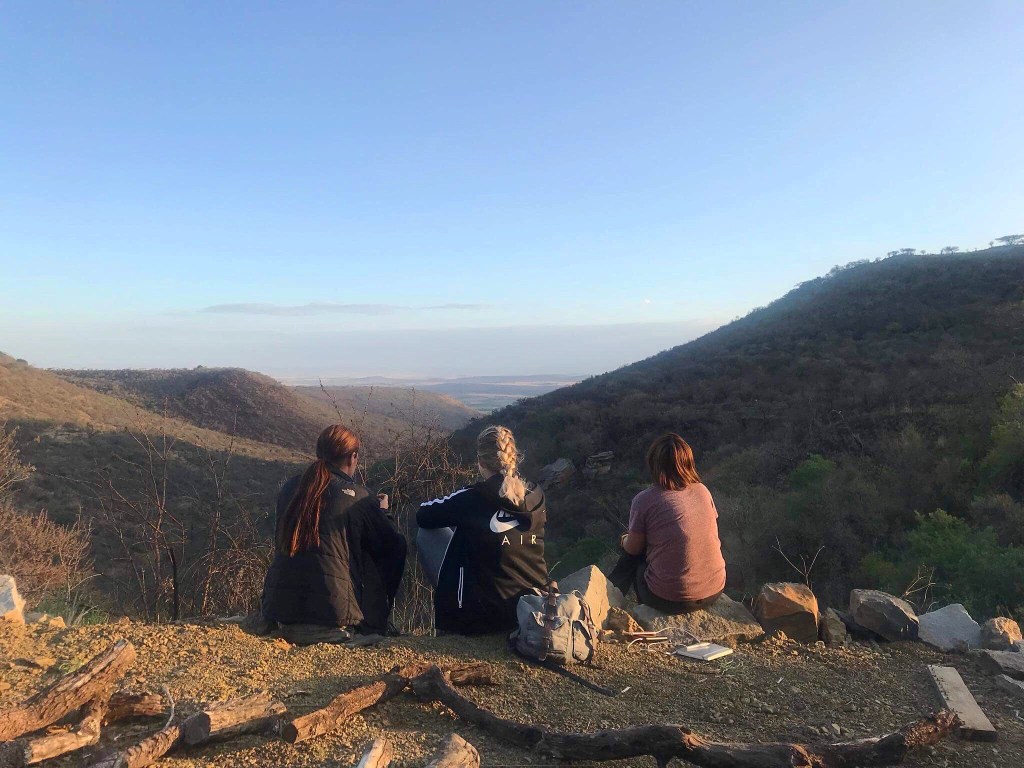
My favourite and most unforgettable moment of the whole trip was during the last day. We were all sat in the house after our morning duties, waiting to hear what we had in store for the afternoon. All we were told was that we were going out and were only able to bring our water and a notebook and pen (if we wanted one). No books, no phones, no watch.. nothing else was allowed. We then loaded into the game vehicle and drove to an area towards the back of the reserve. We were told that we were all going to get out, at different points along the path and have a “reflection” hour. Nothing else was said except we obviously couldn’t wander off to far, and we would be picked up in around an hour or so from the same point. Slightly confused, I got out next to an empty looking stream kind of area. I sat up on the bank next to a tree. As the reserve had recently had bush fires, there was ash everywhere (you get used to being filthy dirty 24/7). I actually have an ash handprint in the notebook I took with me to remember the details – who needs souvenirs! When we were picked up, we were told it had been around an hour and a half. It definitely didn’t seem like that long! But it was the perfect amount of time. I wrote, and I just sat and took in my surroundings. I reflected on everything I had experienced over the previous two weeks and it was exactly what I needed. This isn’t something you would ever think of doing, or think you may “need” but it is such an eye opening experience and so totally worth it. This is something from then on I vouched to do a lot more often.
During the two weeks you are also able to explore the surrounding areas of Kwa-Zulu Natal too. You can see how the locals live in the nearby village of Colenso, and also visit the closest town, Ladysmith.
Nambiti
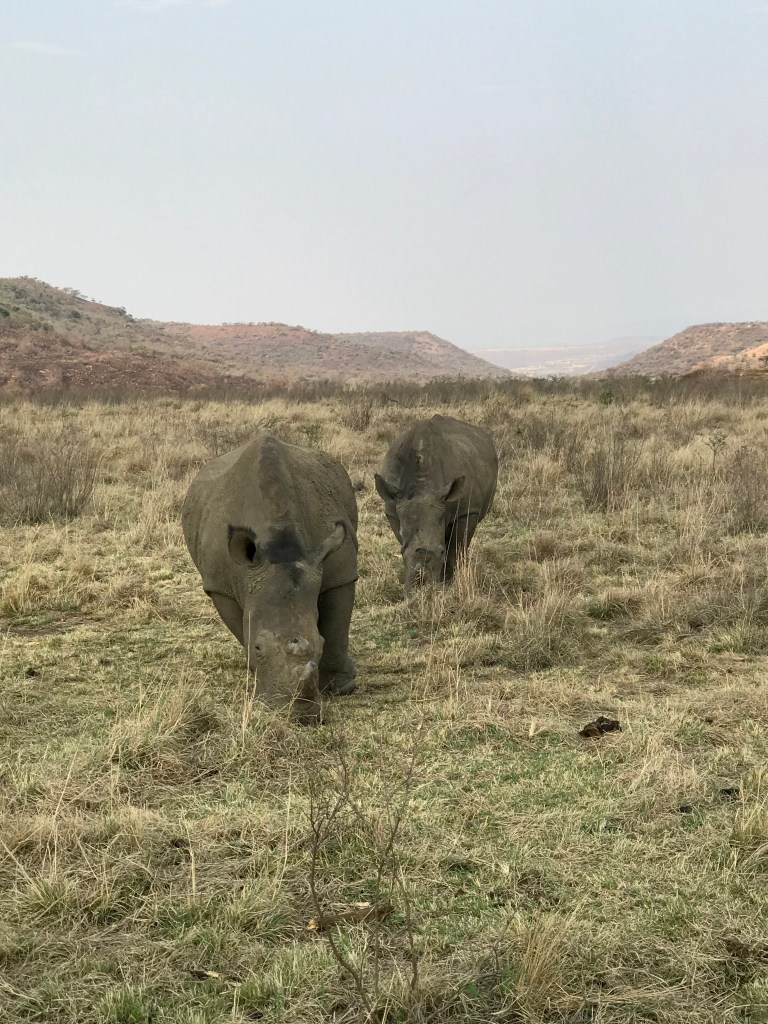
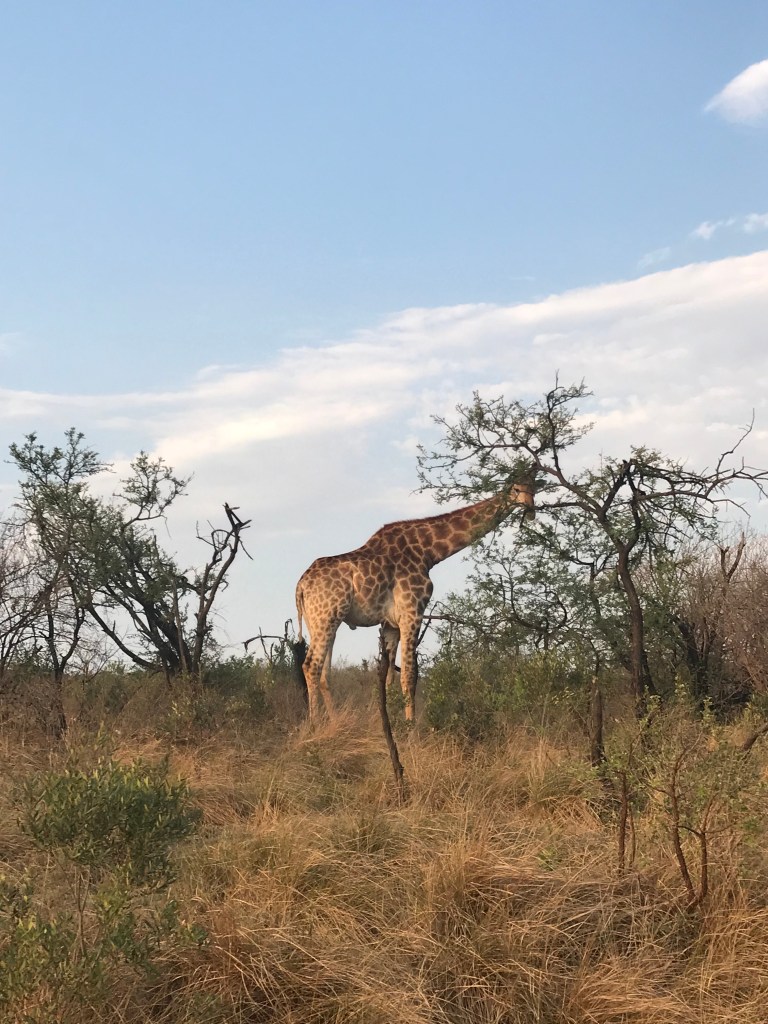
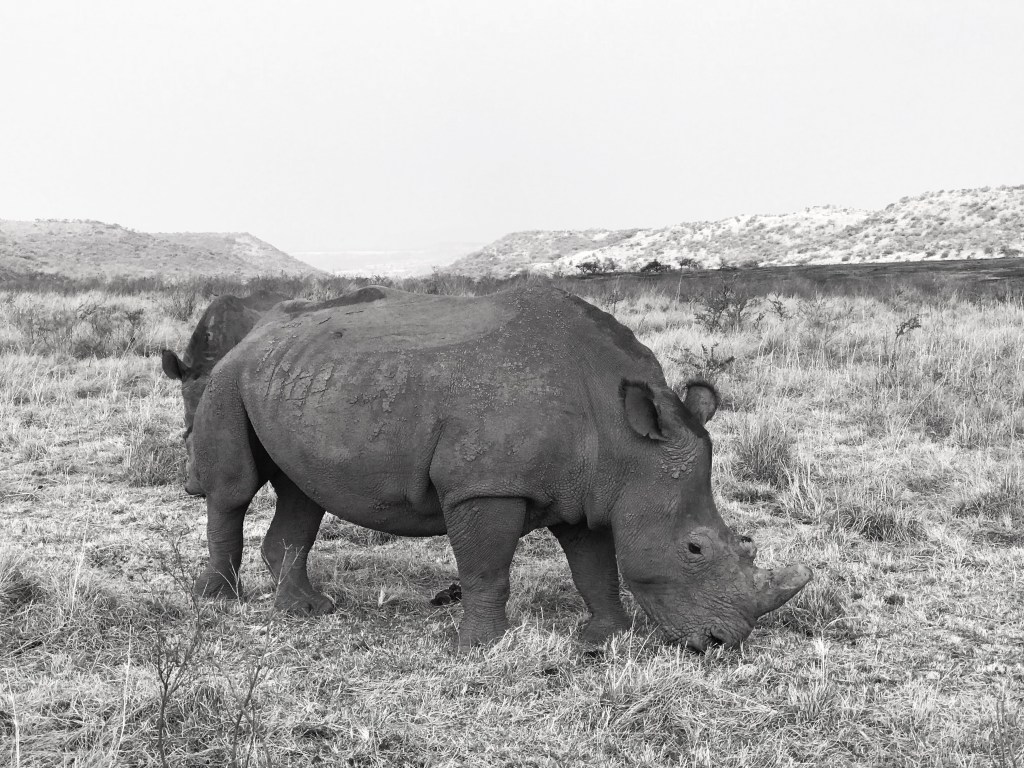
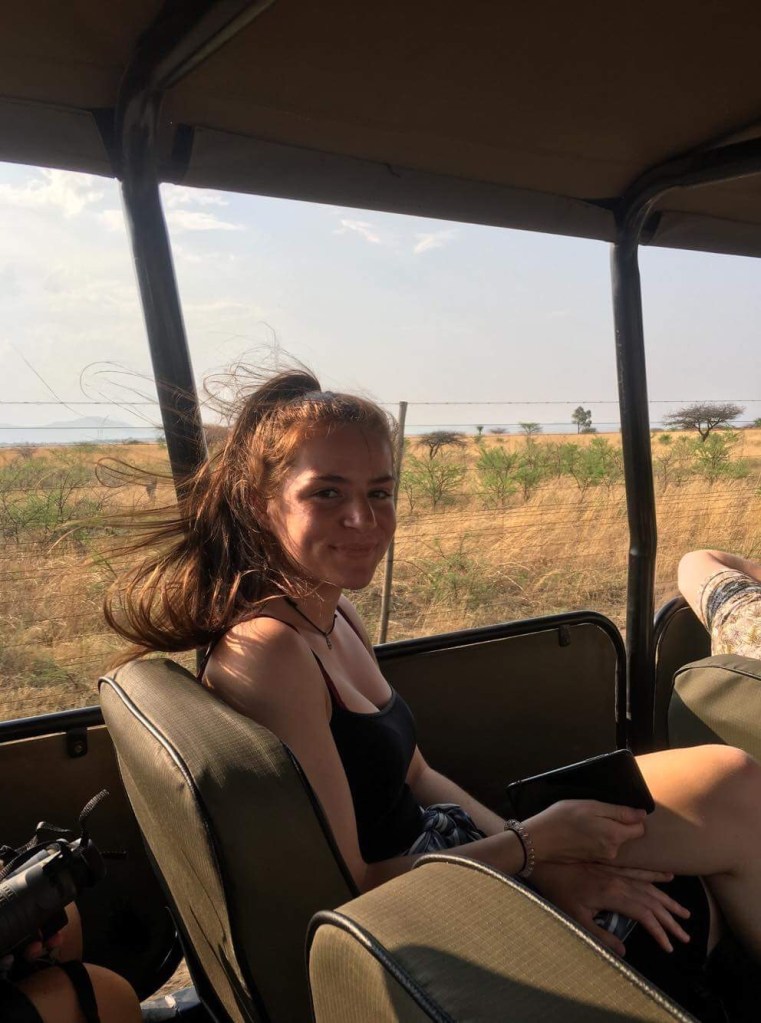
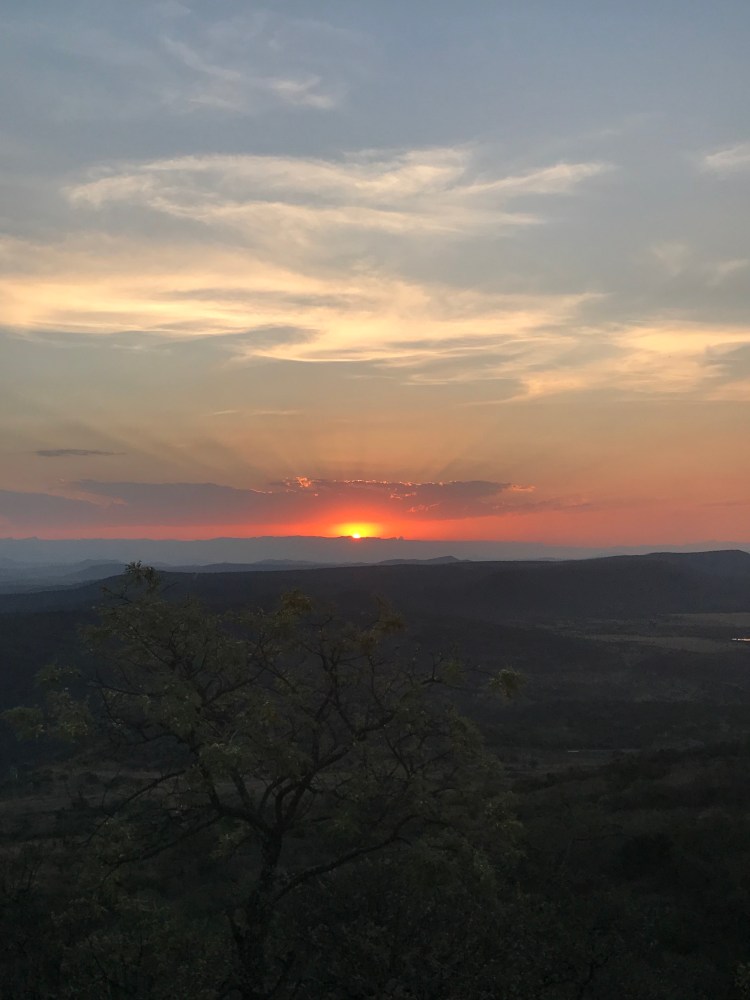
One day trip took us to Nambiti Big 5 Game Reserve. This is a public reserve, just outside of Ladysmith. The reserve is set on 26,000 acres of land and is home to the Big 5; Rhino, Elephant, Buffalo, Leopard and Lion. Unfortunately we were unable to see Leopard (very unlikely) or Lion, but we got close to the other 3, as well as a number of other species such as Giraffe, Zebra and Hippo. The safari continued through sunset which was amazing. It is also thrilling (and slightly scary) seeing how alive the reserve comes after the sun sets. It was amazing being able to experience a typical “safari” as part of the trip too. Although amazing, nothing beat that feeling of truly being a part of it all and working alongside the reserve staff like we got to experience on UmPhafa.
Drakensburg Mountains
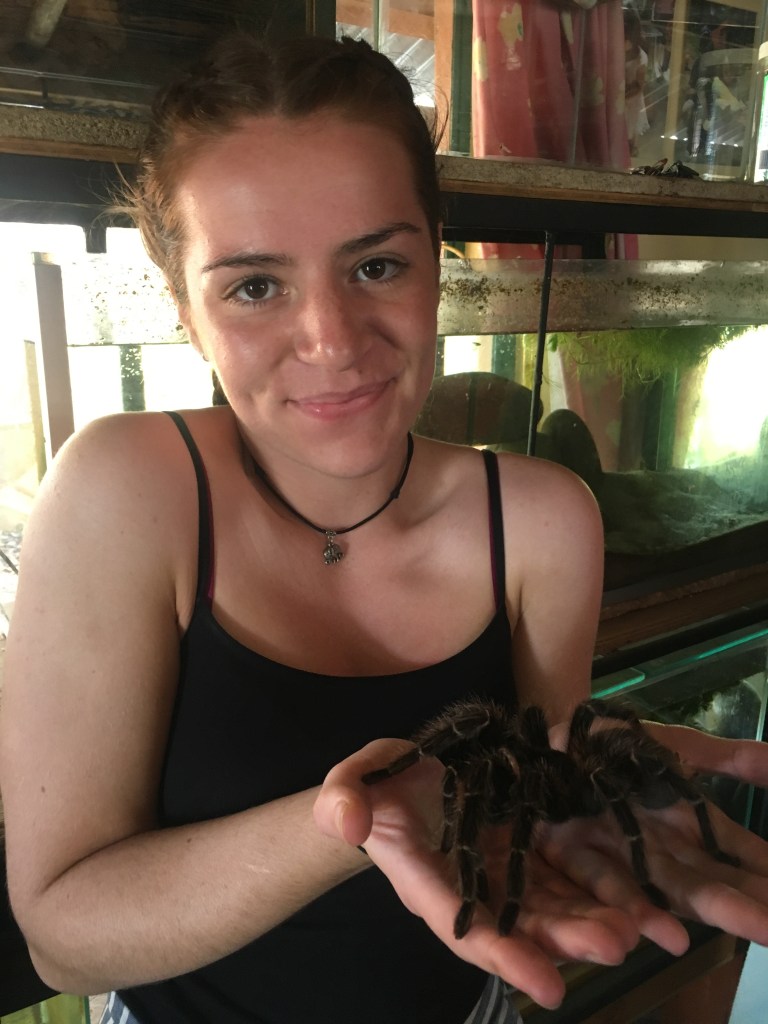
One of the most amazing, South-African mountain ranges. Here we visited a bird of prey and reptile centre. Both were amazing! I conquered my fears and held a tonne of snakes, spiders and other reptiles, and I loved it! Being able to get so up close and personal with creatures you would otherwise never get to see was amazing.. and a teeny bit scary.
Creepy Crawlies!
If you’re a bit of a wimp when it comes to all things creepy crawlies (like me) then this may be one of your first thoughts when you think about visitng SA. Not only are the very few snakes and spiders in England terrifying.. they do not even come close to those found here. Not only are they 10x more terrifying in appearance, they also have the ability to kill you… yeah. During one of our last nights on the reserve, one of the interns went into the bathroom during the night. He was faced with a snake, “staring at him.” Luckily he remained calm and everything was fine. In the morning, they located the snake and found the hole in which it had been entering the house. Turns out the snake was a VERY venomous snake that will kill you if bitten… it was times like this you realise just where you actually are (don’t worry, during your first few days training is provided about what to do in emergency situations when it comes to all the potential dangers)! My biggest fear of all though was well and truly pushed during my time in SA. The size of the spiders we were faced with was just insane! I will never forget the night we had a HUGE one on our door frame, at first I wasn’t scared because I was in complete shock at how big it was! As you can imagine three girls trying to remove it was quite the sight. Despite this, as you can see by the photo at the Reptile centre, tarantulas turned out to be my new favourite thing.
Leopards Gorge & Bush Camping
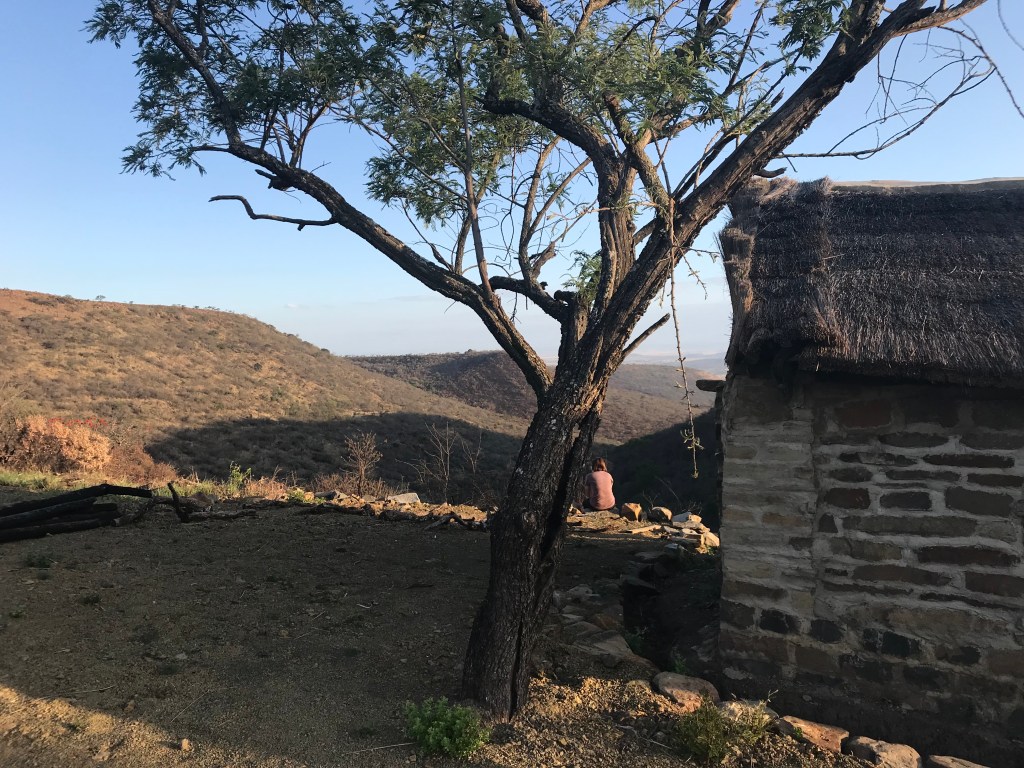
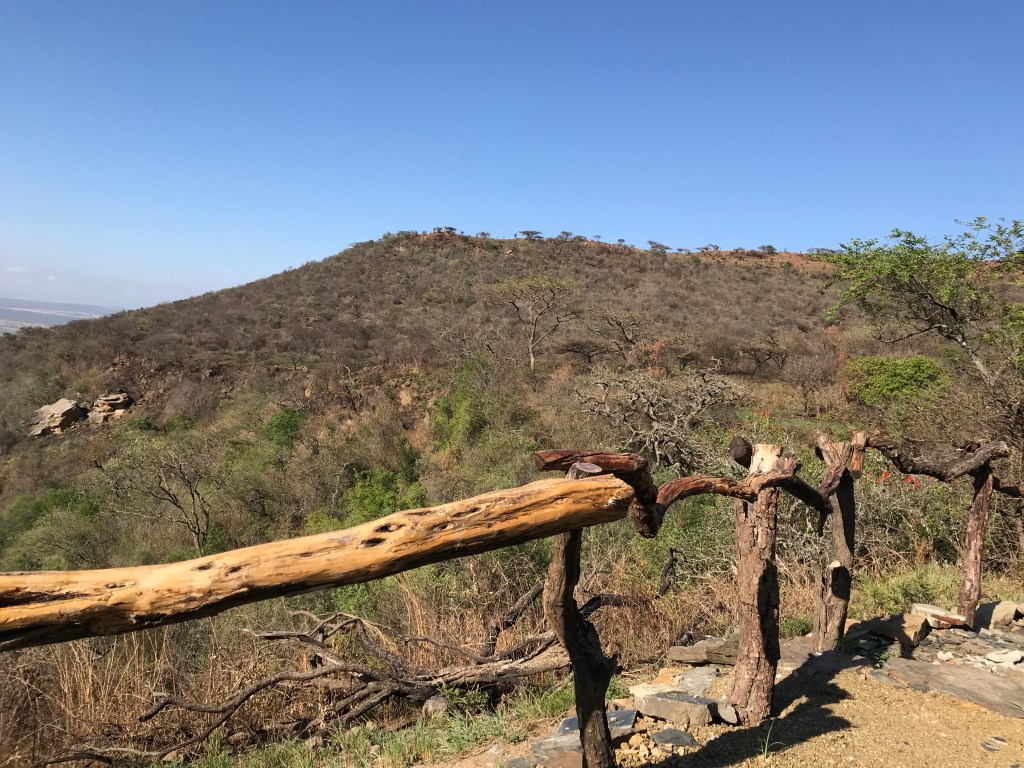
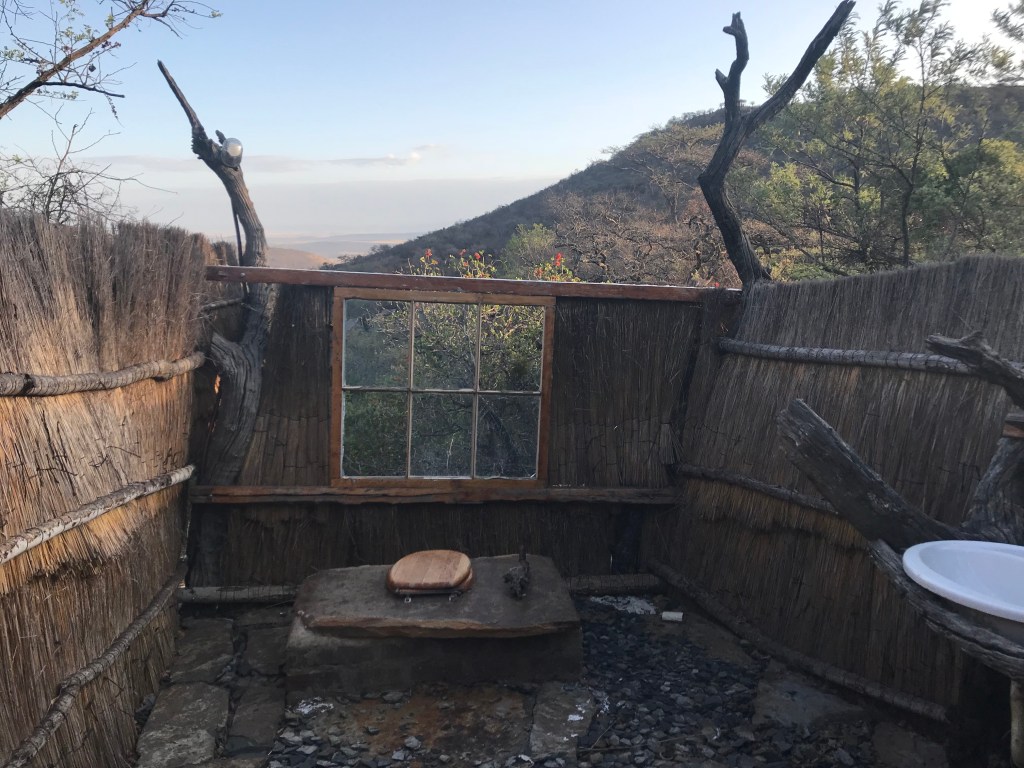
Another (there are just too many) of my favourite experiences of the trip was our trip through Leopards Gorge, to Bush Camp. “Bush Camp” is essentially a house built on top of one of the peaks in the reserve. One of the activities is a half day trek here, from the main house, and then spending the night. As you can see, it is far from a luxury experience but I would take this over a 5* hotel any day of the week! The bathroom is my favourite part.. a toilet with a view! What more could you want? One of my favourite moments was the stories shared around the campfire on nights like these. No phone signal is a blessing in places like these.
Umphafa
“UmPhafa” – The Zulu name for Buffalo Thorn. This is where the reserve gets it’s name. Zulu is the language spoken by the natives of Kwa-Zulu Natal Province, where the reserve is located. The buffalo thorn is a small tree, found vastly across Southern and Eastern Africa, and is a valuable food source within the bush.
One of the stories surrounding the tree, comes from its shape. The branches are zig-zag, leaving one thorn facing backward and one forward and so on. It is said that this represents life, in the sense that the thorn facing backward represents where we have been, whilst the forward facing thorn represents where we are going. Similarly, its zig-zag shape can signify that life just isn’t always straightforward.
As you can probably tell by now, this place truly captured my heart, and one day I vow to return to experience the magic all over again. Africa is most definitely a place that should be at the top of everyones Bucket List. Especially when you can tie it in with a little bit of conservation work too. It is always good to give back as and where you can. Further information into conservation work and various projects you can educate yourselves further or get involved in, including UmPhafa, can be found below.
- https://www.umphafa.com/
- https://www.actionforthewild.org/
- https://www.worldwildlife.org/
- https://www.conservation.org/
Happy Travels!
 Wild Rose Travel