Wildlife Sense Project – Kefalonia
September – October 2017
About
Wildlife Sense is a loggerhead sea turtle conservation project based on the Greek island of Kefalonia, with the mission to protect endangered sea turtles (which are at threat of extinction) and their natural habitats, whilst also promoting public awareness. This is a science based conservation project that offers volunteers a unique learning experience. After raising money, I travelled to Kefalonia towards the end of the summer in 2017 to complete my volunteer internship with the project.
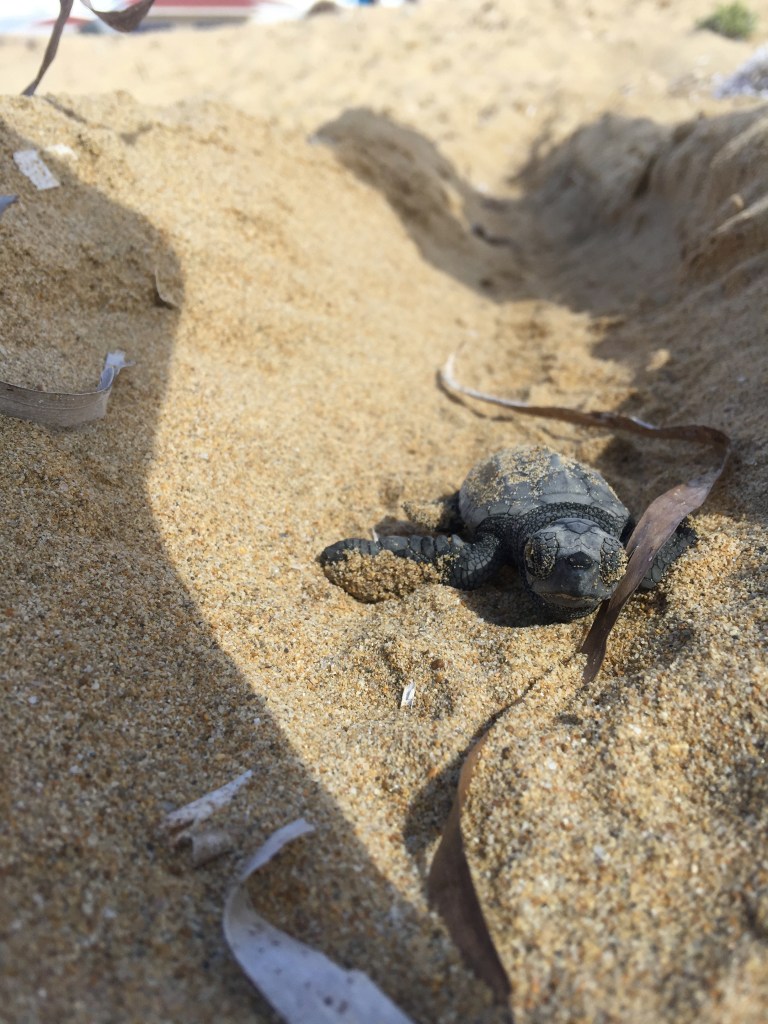
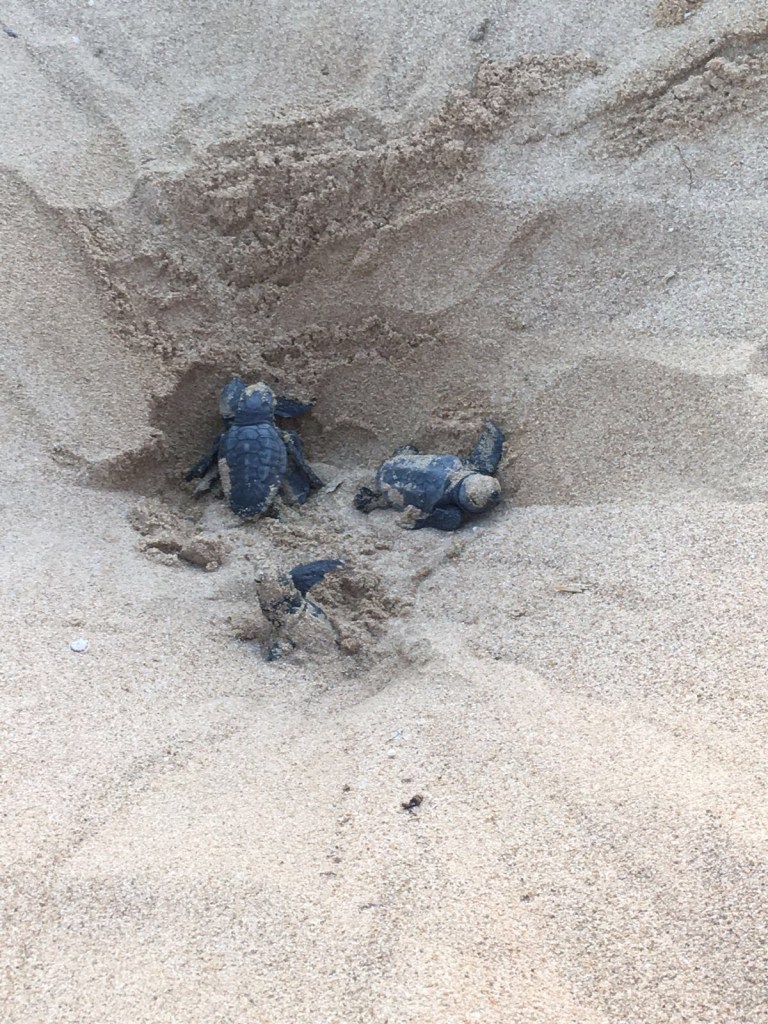
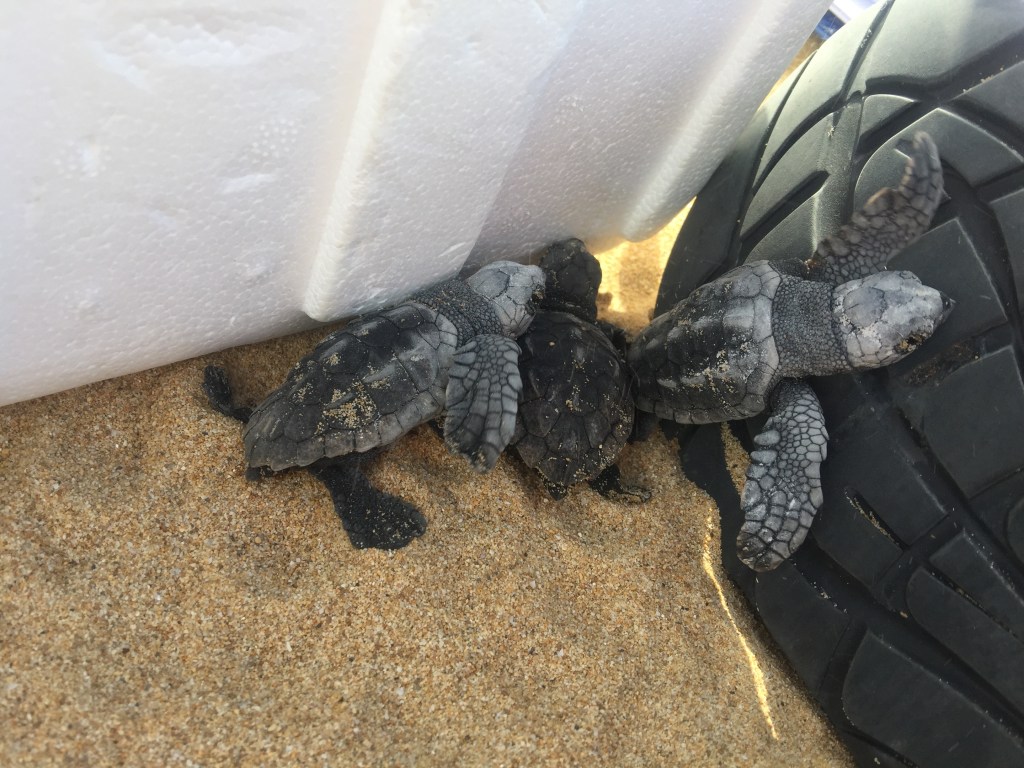
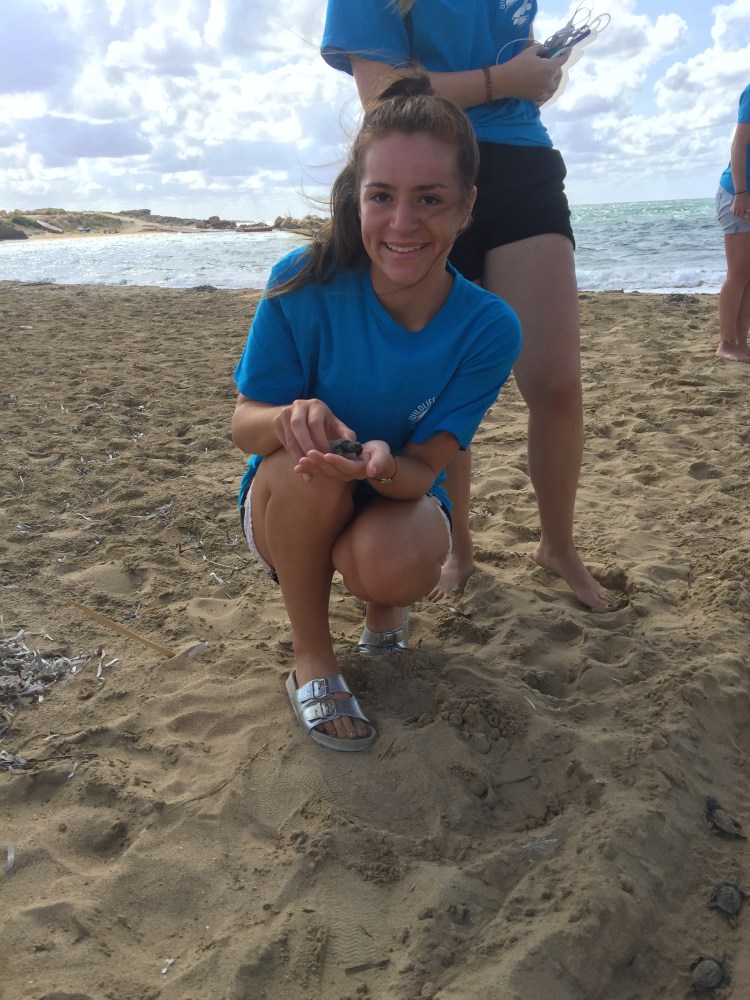
During the summer, the sea turtles crawl up the beaches, lay their eggs and cover them with sand. Around 8-weeks later, the eggs hatch and the tiny turtles dig their way to the surface and begin their journey towards the sea. Wildlife Sense identifies the nests throughout nesting season, and monitors them throughout the incubation period. During hatching season, the hatchlings are monitored closely to increase their survival rate. Light pollution is limited (by getting surrounding properties to remove/reduce artificial lights, or putting up shade around the nest if this is not possible) and when needed, trenches are dug to provide a safe route to the sea. Making sure this whole process is as successful as possible is super important, as only 1% of hatchlings survive and make it to adulthood.
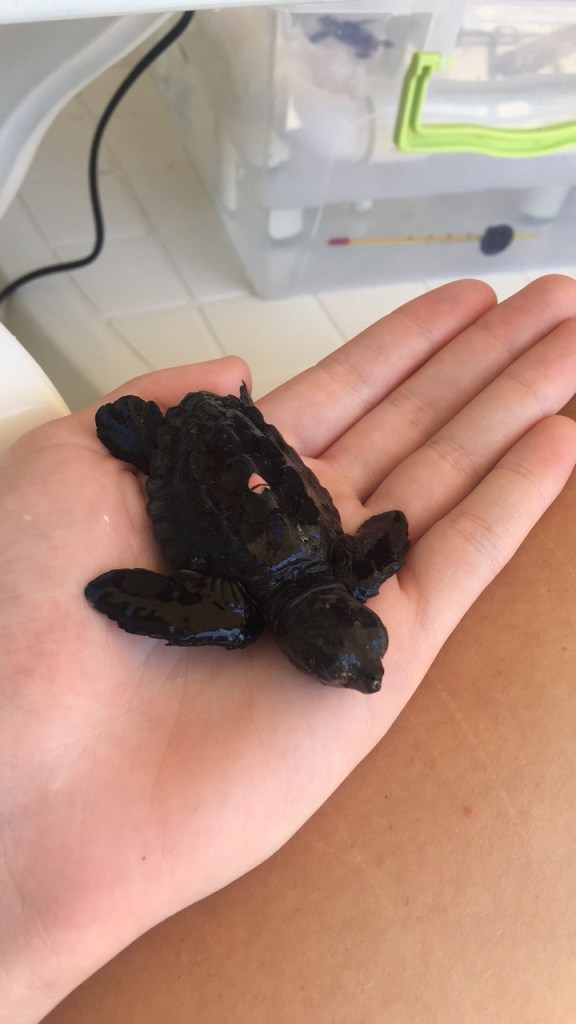
Beach Surveys
Beach surveys are carried out throughout the year to monitor the coastal eco-system, the turtles natural habitat. The beaches are measured and any tracks of potential predators (most likely foxes and dogs) are recorded. External sources such as local weather stations, provide further information including data on sea currents, sand composition, sea bed coverage and so on.
Nest Inventories
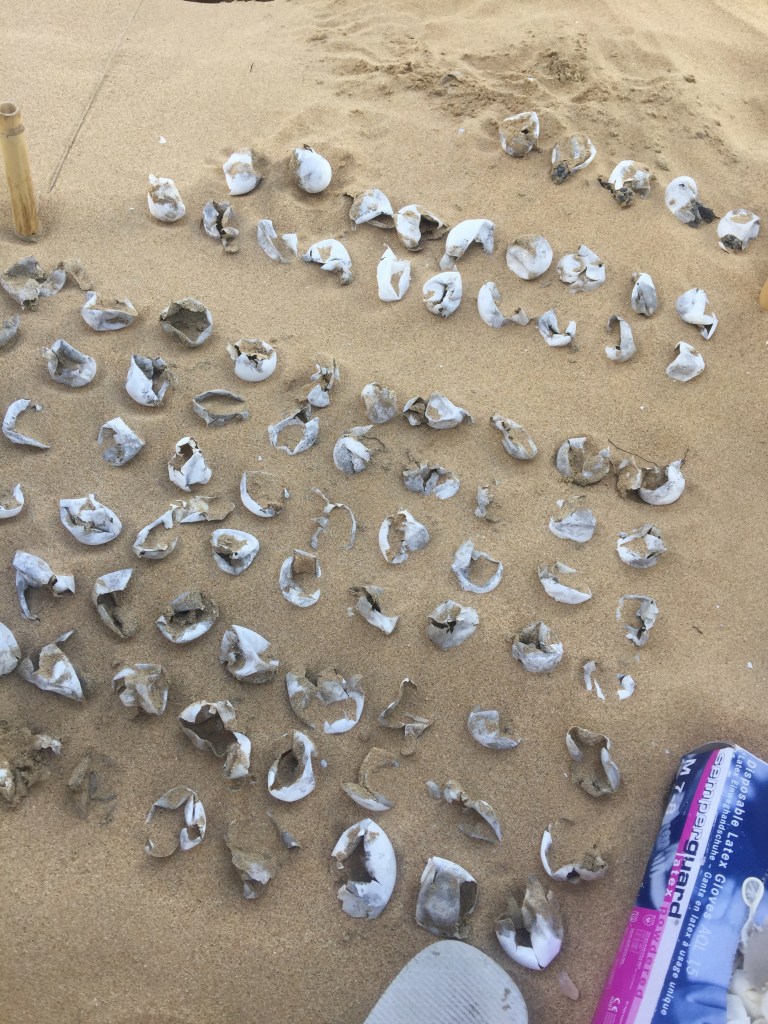
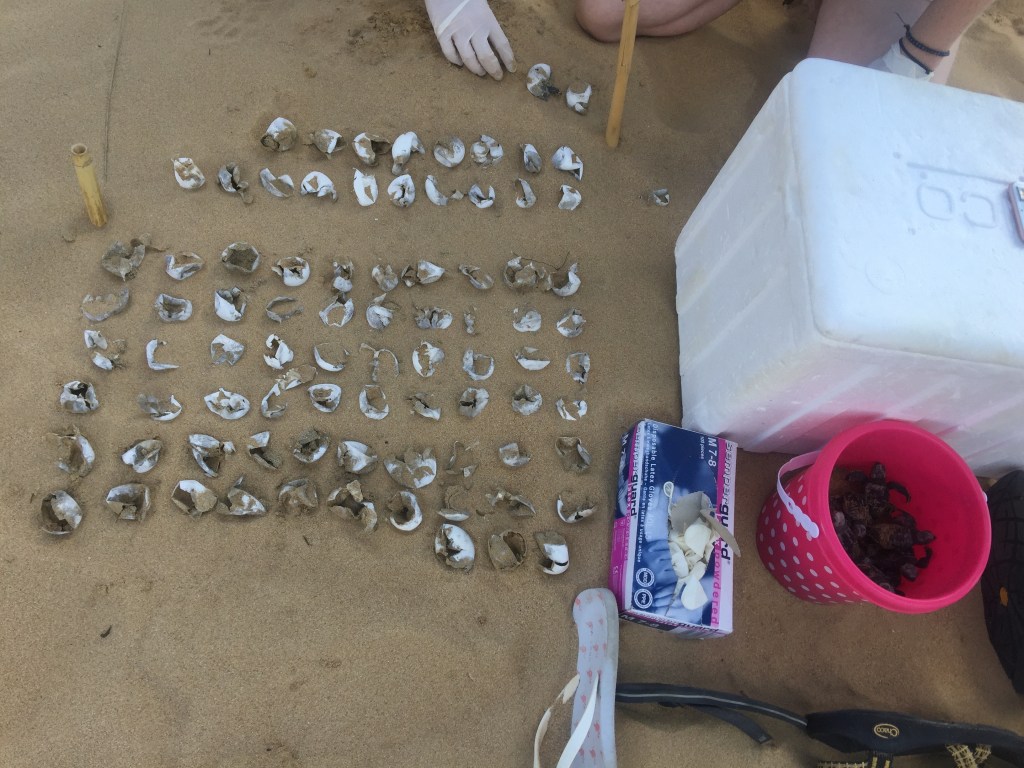
Nest interventions are carried out 7-days after a nest has hatched. The remaining eggs, if any, are opened to investigate why they did not hatch and the number of successful hatchlings are counted. This helps to identify any disease or other potential causes for any unsuccessful hatching (this can be weather, the nest location etc).
Harbour Patrol
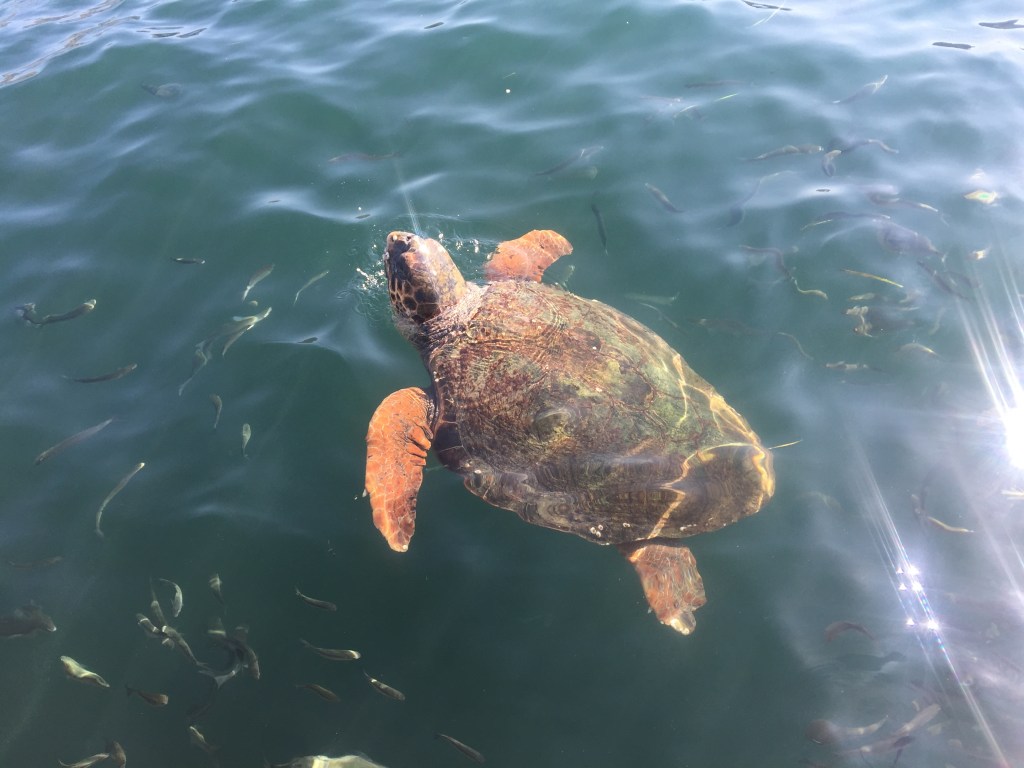
Harbour patrol is carried out every day, in the morning and afternoon, in order to monitor the adult turtles in Argostoli Harbour. The turtles come here to feed off the fisherman’s boats. Unfortunately this has become a bit of a tourist attraction as you are almost always guaranteed to see the turtles here. Volunteers therefore patrol the area and this is a prime opportunity to educate the public about the conservation efforts taking place, as well as monitoring the turtles behaviour, eating habits and health. It is important during these shifts to discourage turtle and human interaction.
Beach Cleans
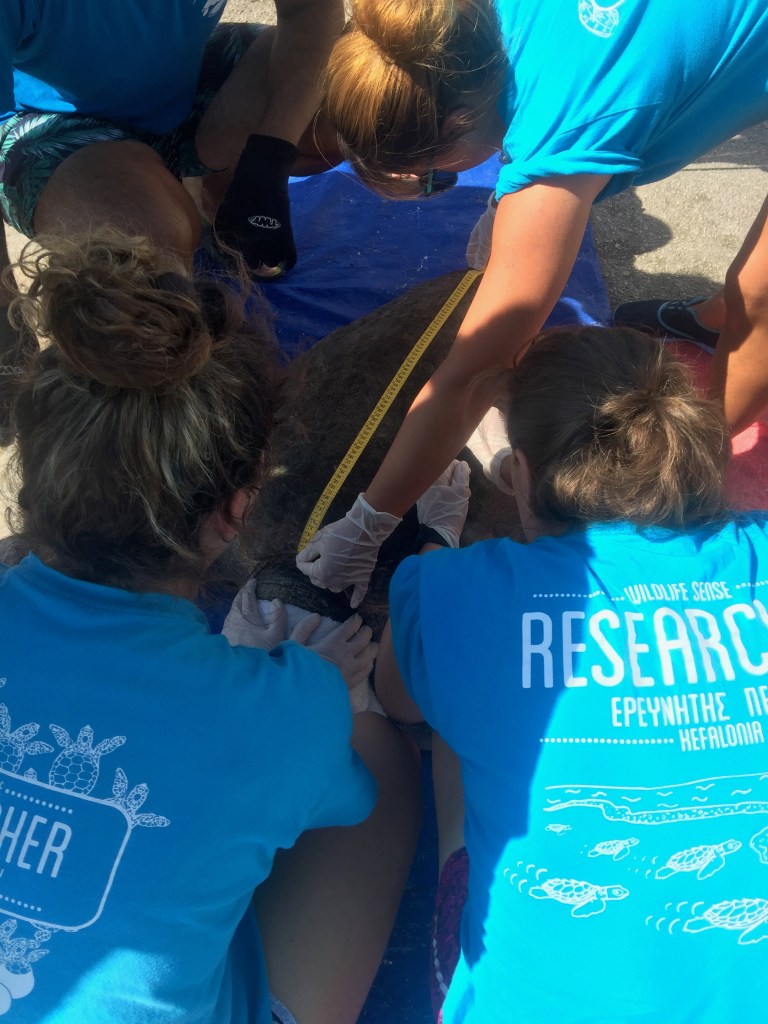
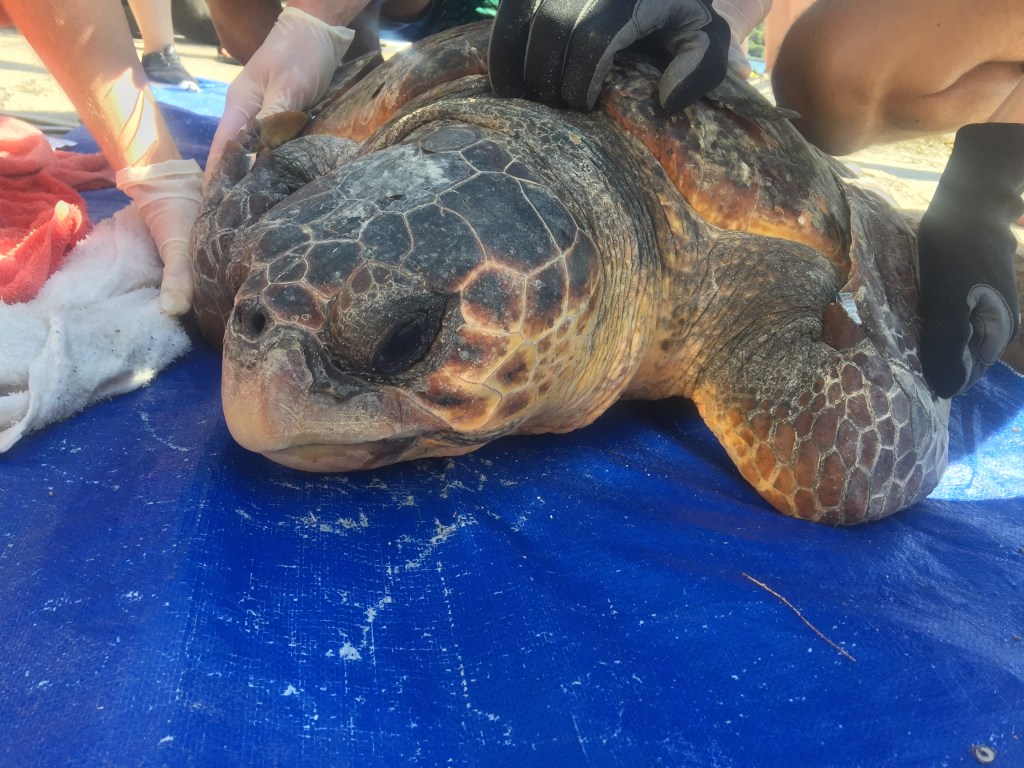
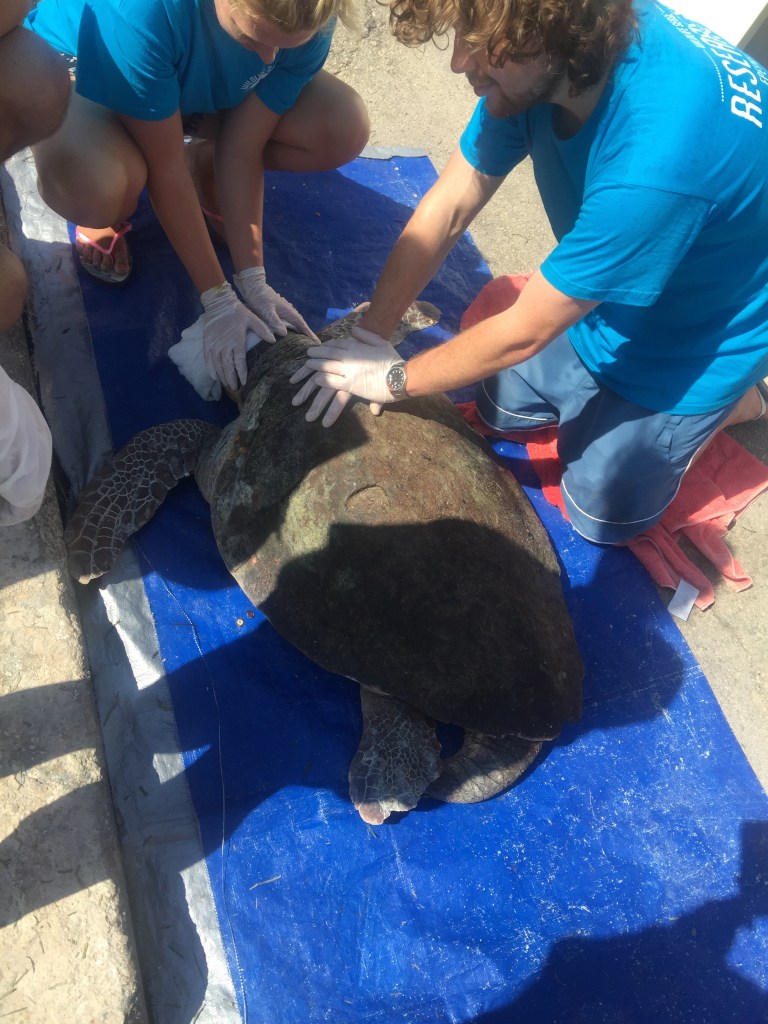
Beach cleans are carried out frequently to remove as much plastic and litter off the beaches and surrounding areas as possible. This aims to reduce the amount that ends up in the ocean, killing the sea life and of course, the turtles. It is common to see the turtles dragging behind plastic that they have partly swallowed, or caught up in fishing nets. During my time at the project, we took a huge adult male out of the water at the harbour in order to free it from some plastic netting. Similarly, we removed a large male that was missing a fin completely after a suspected boat collision. This was to carry out a routine health check, as it had happened a few years previously. When adults like this are removed from the water, Wildlife Sense tags them. This means they can be monitored, to assist with further research of the population.
The biggest threats to sea turtles:
- Plastics and fishing lines in the ocean
- Light pollution
- Beach and coastal alterations
- Weather
- Wild and domestic animals
- Speed boats
- Fisherman and tourists
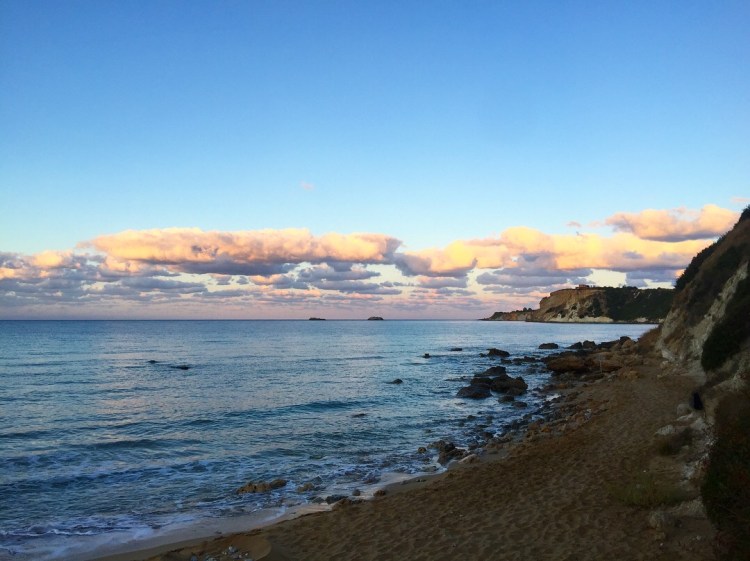
Project details aside, one of my favourite things about getting involved with projects like these is being able to see the island from a local perspective. I absolutely love Greece and am lucky enough to have visited many Greek islands. You’re able to visit parts of the island that you’d otherwise just not see on a typical “holiday”. The project is based just near the airport, it only takes about 10-minutes to get there which is great! Luckily the island isn’t huge, so the amount of flights per day isn’t too disruptive. It’s actually quite fun – there is an area on one beach just around the corner where you can stand and the planes go right above your head before touching down on the runway just metres away!
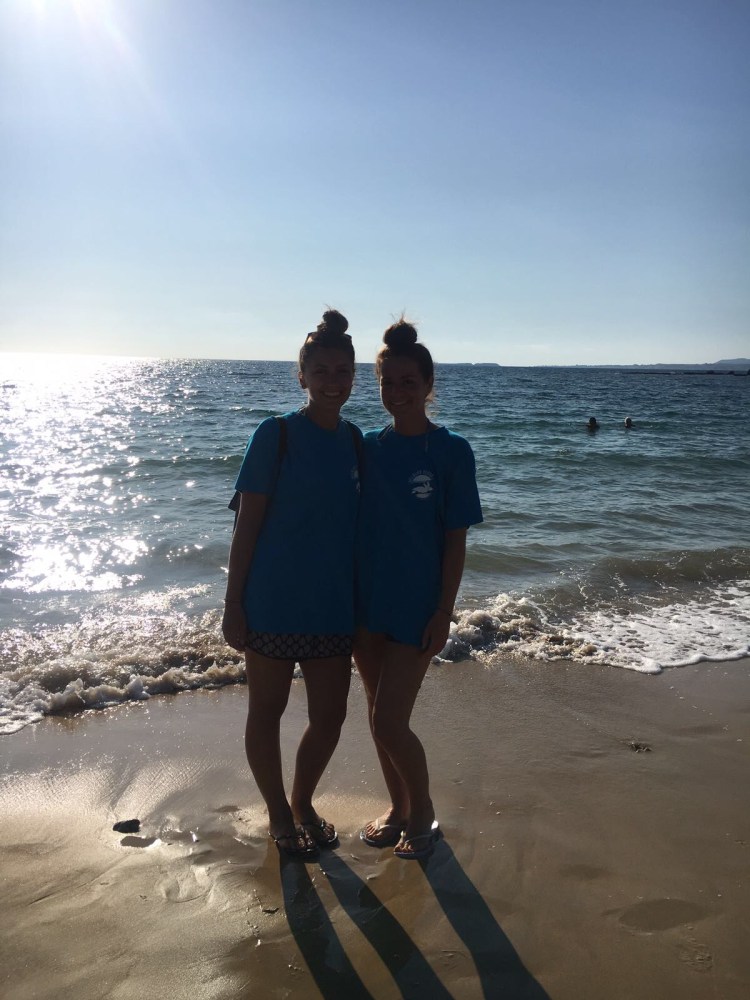
My favourite part about this trip was being on night time hatchling duty. This meant you would head out to the beaches around 8pm, and spend the night there, returning around 8am. You would sleep on the beach, next to the specific nest that is due to hatch. You would alternate with your fellow volunteers and have somebody wake up every hour to check on the nest. You would do this using infrared light. When a nest is due to hatch, a wooden box is placed over the top of the nest opening in order to secure any hatchlings overnight to keep them safe. If you’d wake up to some hatchlings, you would free them into the pre-dug trench so they could make their way to sea. Although these are long nights, it’s so rewarding and so much fun! I also found I got much better sleep in the fresh air of the beach listening to the waves, compared to a hot and stuffy mozzy filled room!
Although you are very busy, you also get a lot of free time to spend at the beach, sunbathing by the pool or shopping at the harbour. The island is beautiful and definitely worth exploring.
Accommodation
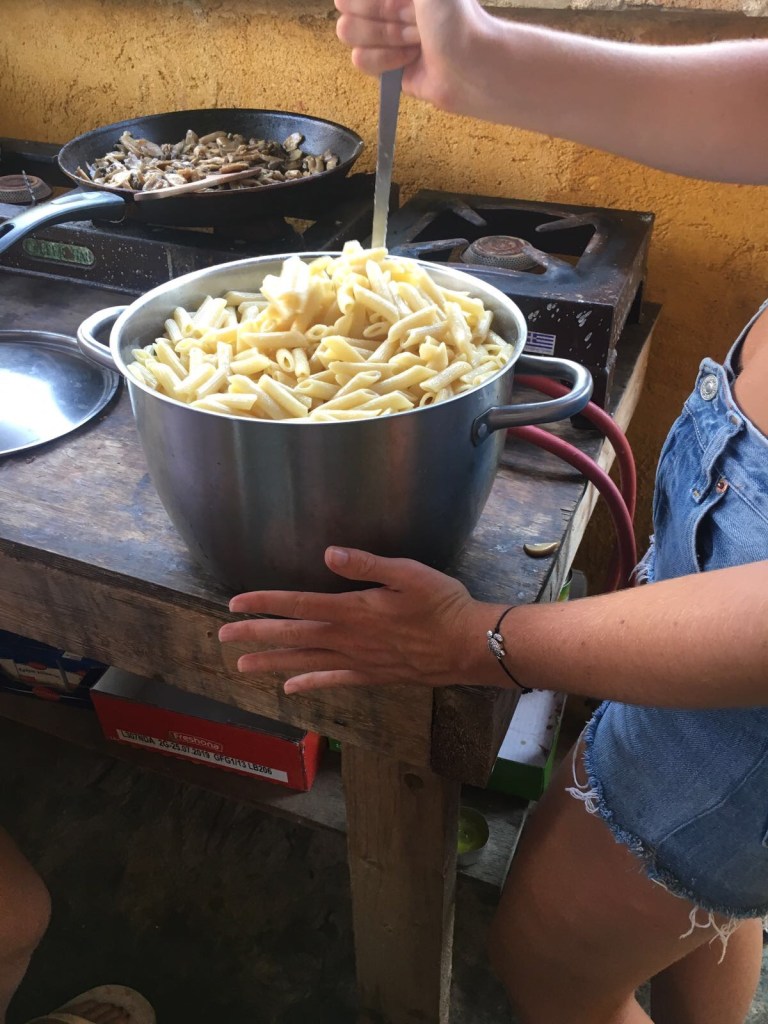
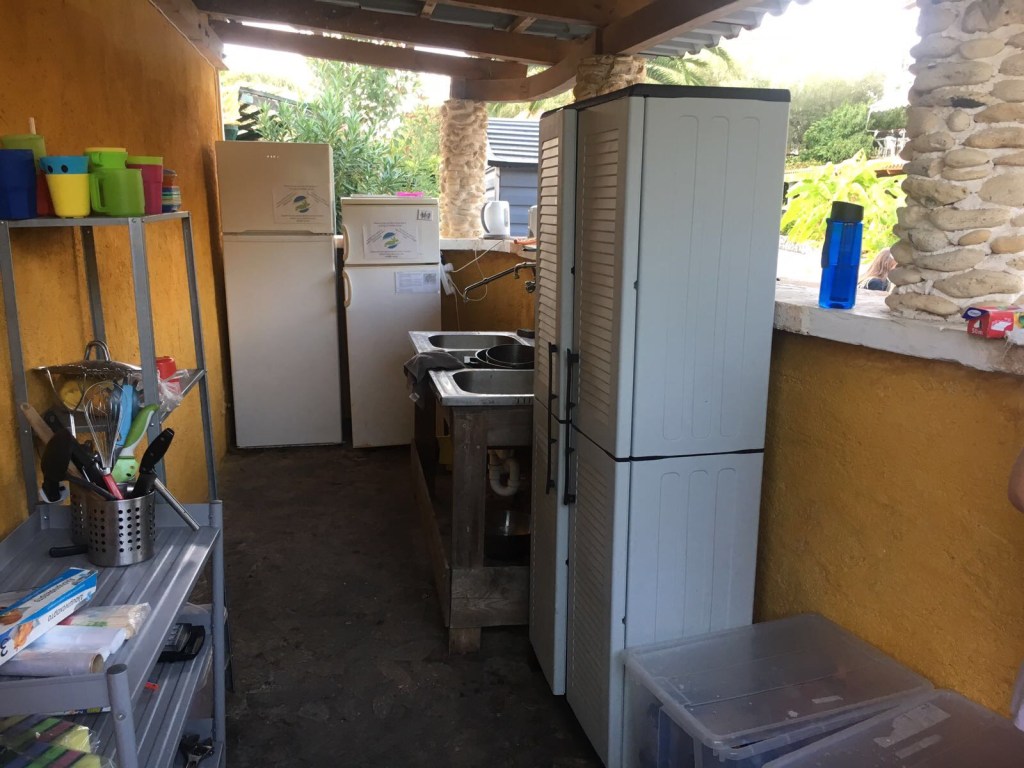
You stay in a shared complex with all the other volunteers. Part of the duties involve a cooking rota (the kitchen is outdoors…fun!), so 2-3 people have to cook each night for everybody else. The diet is vegetarian and a shop is completed by the project leaders at the start of each week so you don’t have to worry about it. It is also fun getting to cook around once a week for everybody, and stories can then be shared about everyones day over a group dinner.
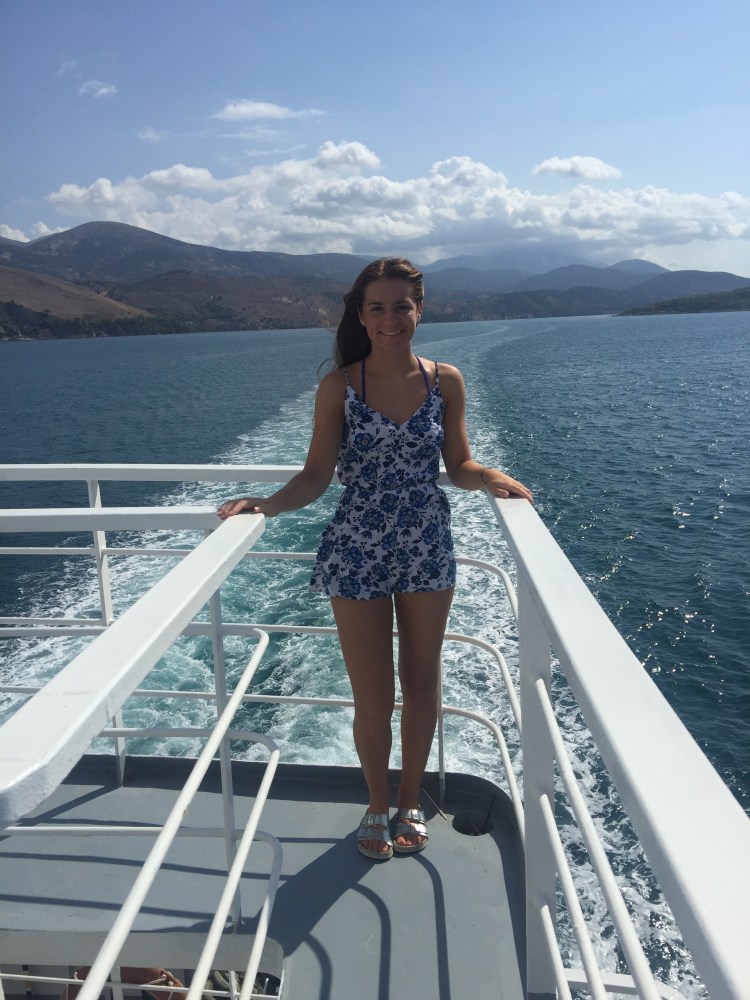
You reach all of the beaches by cycling, therefore confidence on a bike is necessary here. However it’s nothing too crazy and there is only one beach that is a fair distance away – the majority are super close. It is also a great way to see the island, the views you get from a bike are stunning! At first I was a little bit put off by the early starts, but then you become grateful as it stops you cycling when the sun comes out and it gets too hot, and you get to see some epic sunrises from the beaches – there was also always time to nap and sunbathe in the afternoon if you were on an early shift…(essential).
Overall I loved my time with Wildlife Sense, and would encourage anyone thinking about sea turtle conservation work (or any!) to just go for it. Not only are the experiences beyond rewarding because of the amazing work you are now a part of, but they’re just like nothing else you’d ever get the chance to do. When else would I find myself asleep on a beach next to a turtle nest, or chest deep in the sea with a hatchling struggling to swim?! Go for it, you won’t regret it.
If you are interested in further details about Wildlife Sense, please find the link to their website here. Similarly, if you would like to read about other volunteer, conservation work I have been a part of, please check out my previous “UmPhafa, volunteering in South Africa” blog post here.
Happy travels!
 Wild Rose Travel